
Quick Overview
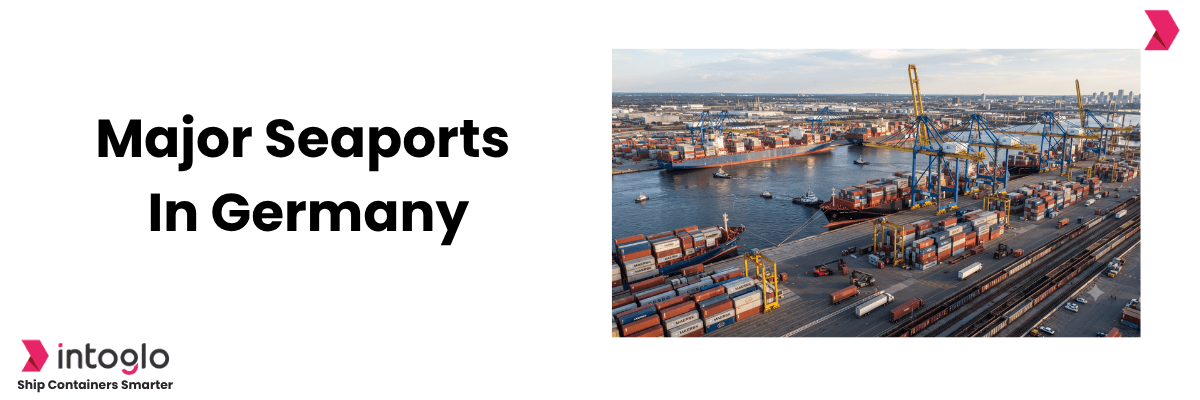
Germany has one of the largest maritime logistics networks in Europe, with several world-class ports supporting international trade. The major seaports in Germany handle containerized cargo, automobiles, machinery, chemicals, agricultural products, and bulk commodities, connecting businesses with markets across North America, Asia, the Middle East, and Europe. Choosing the right port can improve transit efficiency, reduce inland transportation costs, and strengthen your supply chain.
Key facts about major seaports in Germany at a glance:
- Germany has multiple internationally connected commercial seaports.
- Hamburg is the country's largest container port.
- Bremerhaven is one of Europe's leading vehicle export gateways.
- Wilhelmshaven is Germany's only deep-water container port.
- Rostock and Lübeck specialize in Baltic Sea trade.
- Most ports offer excellent road, rail, and inland waterway connectivity.
- Each port serves different industries and shipping requirements.
Why Exporters Should Understand Germany's Seaports
Selecting the right gateway is one of the most important decisions when planning international shipments. The major seaports in Germany differ in terms of cargo specialization, vessel capacity, hinterland connectivity, and international trade routes.
For example, an automotive exporter may benefit from using Bremerhaven, while a company shipping large volumes of containerized cargo may find Hamburg more suitable. Likewise, businesses serving Northern Europe often choose Baltic ports such as Rostock or Lübeck.
Understanding each port's strengths helps exporters reduce logistics costs, improve delivery schedules, and optimize supply chain planning.
Major Seaports in Germany

Germany operates several strategically located seaports that support different industries and global trade routes.
| Port | Location | Best Known For |
| Hamburg | Elbe River | Largest container port |
| Bremen & Bremerhaven | North Sea | Automotive exports |
| Wilhelmshaven | North Sea | Deep-water container terminal |
| Rostock | Baltic Sea | Scandinavian and Baltic trade |
| Emden | Ems River | Vehicle exports |
| Lübeck | Baltic Sea | Northern European freight |
Together, these major seaports in Germany handle millions of tonnes of cargo every year while supporting both European and international supply chains.
Hamburg: Germany's Largest Seaport
The Port of Hamburg is Germany's largest seaport and one of Europe's busiest container hubs. Often called the "Gateway to the World," it handles millions of TEUs annually and connects Germany with hundreds of ports worldwide.
Hamburg manages containerized cargo, general cargo, bulk commodities, refrigerated products, and project cargo. Its extensive rail network, highways, and inland waterway connections make it an important logistics gateway for Central and Eastern Europe.
Industries including machinery, chemicals, consumer goods, and manufacturing rely heavily on Hamburg for international trade.
Bremerhaven and Bremen
Bremerhaven has built a global reputation as one of the world's leading automobile export ports. Every year, millions of vehicles move through its specialized RoRo terminals to destinations across North America, Asia, and the Middle East.
Besides automotive logistics, the ports also handle containers, machinery, steel products, refrigerated cargo, and general freight. Their strong inland transportation network enables efficient cargo movement between German manufacturing hubs and overseas markets.
Wilhelmshaven: Germany's Deep-Water Gateway
Among the major seaports in Germany, Wilhelmshaven stands out as the country's only deep-water container port.
Unlike many other ports, it can accommodate the world's largest container vessels without tidal restrictions. The port handles containers, crude oil, chemicals, LNG, and bulk commodities while providing direct access to major global shipping routes.
Its ability to receive ultra-large container ships makes Wilhelmshaven increasingly important for international liner services.
Rostock, Emden, and Lübeck
Several regional ports also play a vital role in Germany's maritime economy.
Rostock serves as an important gateway to Scandinavia and the Baltic region. The port specializes in containers, RoRo cargo, ferries, grain, and bulk commodities moving between Germany, Sweden, Denmark, Finland, and the Baltic states.
Emden is one of Europe's leading vehicle export ports. In addition to automobiles, it handles machinery, timber, fertilizers, and industrial cargo through dedicated logistics facilities.
Lübeck focuses primarily on Baltic Sea trade, connecting Germany with Northern European markets. The port manages trailers, containers, vehicles, forest products, and industrial cargo.
How To Choose the Right Port?
The best port depends on your shipment requirements, destination, and cargo type.
| Shipping Requirement | Recommended Port |
| Container exports | Hamburg |
| Vehicle exports | Bremerhaven or Emden |
| Deep-draft vessels | Wilhelmshaven |
| Baltic region shipments | Rostock |
| Northern European distribution | Lübeck |
When selecting among the major seaports in Germany, exporters should also consider vessel schedules, inland transportation, terminal capacity, and overall logistics costs.
Factors to Consider Before Choosing a Port
Before selecting a German seaport, businesses should evaluate several operational factors.
| Factor | Why It Matters |
| Cargo Type | Different ports specialize in different commodities. |
| Destination Market | Some ports offer better connectivity to specific regions. |
| Inland Transport | Road, rail, and barge connections affect delivery efficiency. |
| Vessel Frequency | More sailings improve shipping flexibility. |
| Port Infrastructure | Modern terminals reduce handling times. |
| Total Logistics Cost | Includes port charges, inland transport, and handling fees. |
Considering these factors helps exporters choose the most efficient gateway for their supply chain.
How Intoglo Helps?
For Indian exporters shipping to the United States, understanding Europe's logistics infrastructure - including German inland ports - is a useful context for building efficient global supply chains. However, managing the India–USA leg of international shipping requires its own expertise.
Intoglo provides end-to-end digital FCL freight forwarding from India to the USA, helping businesses manage container transportation, customs documentation, shipment tracking, and destination delivery through a single platform. With transparent pricing and partnerships across leading shipping lines, Intoglo helps simplify international logistics.
Make smarter shipping decisions with monthly updates on freight rates, regulations, and trade trends. Sign up for our free 30-minute India–USA Trade Pulse webinar.
Need help with India to USA shipping?
📩 contact@intoglo.com 📞 +91 84697 08714
"For the full picture of German logistics, read our article on inland port connectivity"
Conclusion
The major seaports in Germany form the foundation of one of Europe's strongest logistics networks. From Hamburg's container terminals to Bremerhaven's automotive facilities and Wilhelmshaven's deep-water infrastructure, each port offers unique advantages for different cargo types and international trade routes. Understanding the strengths of these ports allows exporters to improve shipping efficiency, optimize transportation costs, and build more resilient global supply chains.
FAQs
Which is the largest seaport in Germany?
The Port of Hamburg is Germany's largest seaport and one of Europe's busiest container ports.
Which German port is best for vehicle exports?
Bremerhaven and Emden are internationally recognized for automotive logistics and vehicle exports.
What is Germany's only deep-water port?
Wilhelmshaven is Germany's only deep-water container port and can accommodate the world's largest container vessels.
Which port handles trade with Scandinavia?
Rostock and Lübeck play a major role in connecting Germany with Scandinavia and other Baltic countries.
How do exporters choose the right German seaport?
Exporters should consider cargo type, destination, vessel schedules, inland connectivity, port infrastructure, and total transportation costs before selecting a port.