
Quick Overview
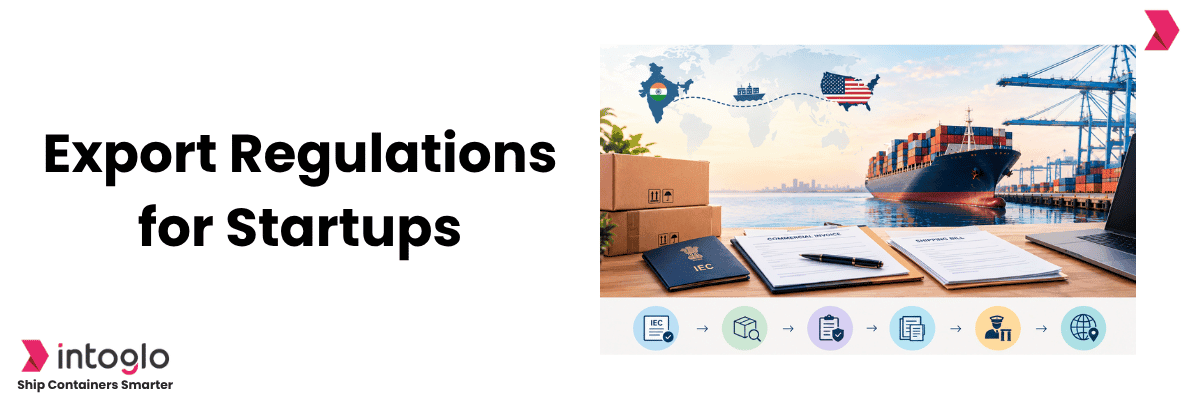
Shipping from India to the United States requires compliance with U.S. customs requirements - including CBP regulations, import documentation, product classification, and packaging standards -as incorrect classification leads to shipment delays, penalties, or cargo inspections
Key facts about U.S. customs requirements at a glance:
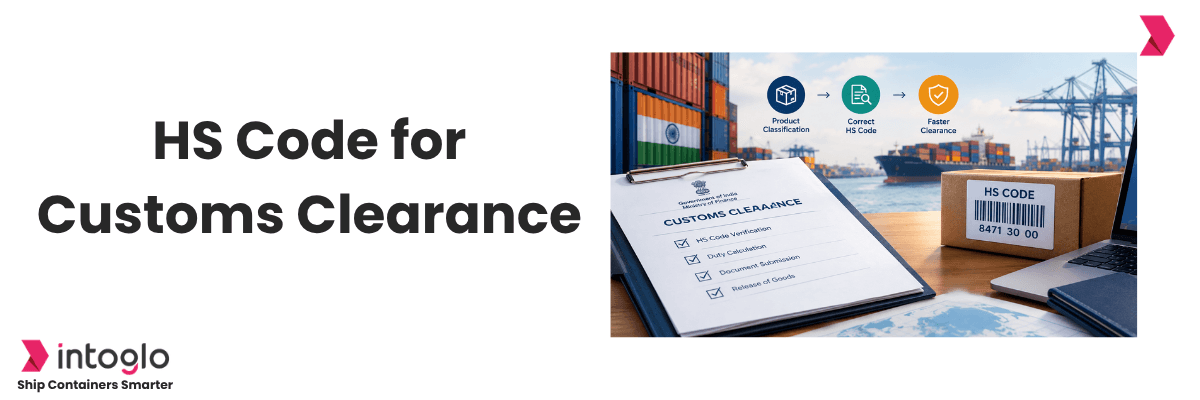
- Every shipment must have a correct HTS Code - it determines duties, restrictions, and import eligibility
- A Commercial Invoice and Packing List are mandatory for all commercial exports
- ISF 10+2 filing must be submitted before cargo is loaded onto the vessel - late filing attracts penalties
- Customs Bonds are required for most commercial imports above the applicable threshold
- Wooden pallets and crates must carry ISPM 15 certification or risk cargo rejection
- Incorrect documentation is the most common cause of customs delays - not transportation issues
What You Should Know About U.S. Customs Requirements?
The United States is one of India's largest export markets, but it also has one of the world's most regulated customs systems.
Whether you're exporting:
- Auto parts
- Engineering goods
- Machinery
- Textiles
- Consumer products
- Furniture
- Electronics
- Industrial equipment
your shipment must comply with U.S. Customs Requirements before it can enter the country.
Proper planning minimizes clearance delays while helping importers avoid unnecessary inspections and penalties.
U.S. Customs Requirements for India Exports

Every commercial shipment entering the United States must meet specific customs requirements.
1. HTS (Harmonized Tariff Schedule) Codes
Every imported product is classified using an HTS Code.
The HTS Code determines:
- Applicable import duty
- Customs regulations
- Import restrictions
- Government agency requirements
- Trade eligibility
Incorrect classification may result in:
- Customs holds
- Higher duties
- Cargo inspections
- Financial penalties
2. Commercial Invoice
The commercial invoice is one of the most important customs documents.
It typically includes:
- Exporter details
- Importer information
- Product description
- Quantity
- Unit value
- Total shipment value
- Country of origin
- Currency used
Any inaccuracies can delay customs clearance.
3. Packing List
The packing list provides customs officers with shipment details, including:
- Number of cartons
- Dimensions
- Gross weight
- Net weight
- Package markings
- Packaging type
This document helps customs verify cargo during inspections.
4. Importer Security Filing (ISF 10+2)
ISF 10+2 is a U.S. import filing requirement for ocean shipments entering the United States. It must be filed before the cargo is loaded on the vessel, and it is used by U.S. Customs and Border Protection for import security screening.
ISF filing helps U.S. Customs assess cargo risk before arrival.
Late or inaccurate ISF filings may lead to:
- Monetary penalties
- Shipment delays
- Additional inspections
5. Customs Bond
Customs bonds are not required for every shipment. In general, they are needed for many commercial U.S. imports, especially when the shipment value exceeds the applicable threshold or when the import type requires it, but the exact requirement depends on shipment details and importer circumstances.
Common bond types include:
| Bond Type | Best For |
| Single Entry Bond | Occasional importers |
| Continuous Bond | Frequent importers shipping throughout the year |
A continuous customs bond generally requires a minimum of USD 50,000 or 10% of the total duties, taxes, and fees paid in the previous 12 months, whichever is higher, while single - entry bonds are set based on the shipment value and duty amount.
Businesses importing regularly into the United States often benefit from a Continuous Bond.
6. ISPM 15 Wood Packaging Compliance
Shipments using wooden pallets, crates, or dunnage must comply with ISPM 15 (International Standards for Phytosanitary Measures No. 15).
The wood packaging must:
- Be heat-treated
- Carry the official ISPM 15 stamp
- Meet international phytosanitary standards
Non-compliant wood packaging may result in:
- Cargo rejection
- Re-export orders
- Destruction of packaging
- Customs delays
Essential Documents Required for US Customs Clearance
Before shipping from India to the USA, exporters should prepare the following documentation.
| Document | Purpose |
| Commercial Invoice | Declares shipment value and goods |
| Packing List | Details package contents and dimensions |
| Bill of Lading | Evidence of cargo transportation |
| HS/HTS Classification | Determines duties and customs treatment |
| Certificate of Origin (if applicable) | Confirms manufacturing origin |
| Import Licenses (where required) | Product-specific compliance |
| Customs Bond | Required for many commercial imports |
| ISF Filing | Mandatory for ocean freight imports |
Preparing these documents accurately helps reduce clearance delays.
Common Reasons for Customs Delays
Many shipment delays occur because of documentation or compliance issues rather than transportation problems.
Common causes include:
- Incorrect HTS classification
- Missing commercial invoices
- Incomplete packing lists
- Incorrect shipment valuation
- Late ISF filing
- Non-compliant wood packaging
- Missing import permits for regulated products
Working with an experienced freight forwarder helps reduce these risks.
Best Practices for Smooth Customs Clearance
Businesses can improve customs efficiency by following these practices.
| Best Practice | Benefit |
| Verify HTS Codes | Accurate duty calculation |
| Prepare documentation early | Faster customs processing |
| Submit ISF on time | Avoid penalties |
| Use ISPM 15 - compliant packaging | Meet international regulations |
| Maintain accurate shipment values | Prevent customs disputes |
| Partner with experienced freight forwarders | Simplify customs compliance |
How Intoglo Helps?
Navigating U.S. customs requirements involves more than preparing shipping documents. Exporters must coordinate documentation, customs filing, container transportation, and destination logistics while ensuring compliance with changing regulations.
Intoglo provides end-to-end digital FCL freight forwarding from India to the USA, helping exporters manage customs documentation, shipment tracking, container transportation, and destination delivery through a single platform.
By coordinating with shipping lines, customs brokers, and logistics partners, Intoglo simplifies export operations while improving shipment visibility and compliance throughout the shipping journey.
Make smarter shipping decisions with monthly updates on freight rates, regulations, and trade trends. Sign up for our free 30-minute India–USA Trade Pulse webinar.
Need help shipping from India to the USA?
📩 contact@intoglo.com 📞 +91 84697 08714
Conclusion
Understanding U.S. customs requirements is essential for businesses exporting goods from India. Accurate product classification, complete documentation, timely ISF filing, customs bonds, and compliant packaging all contribute to smooth customs clearance and on-time delivery.
By preparing shipments correctly and partnering with an experienced freight forwarder, exporters can minimize delays, reduce compliance risks, and build a more efficient international supply chain.
FAQs
What customs documents are required to export from India to USA?
Most shipments require a Commercial Invoice, Packing List, Bill of Lading, correct HTS Code classification, and, depending on the shipment, an ISF filing, Customs Bond, Certificate of Origin, and product-specific permits.
What is ISF 10+2?
Importer Security Filing (ISF 10+2) is a mandatory security filing submitted to U.S. Customs before ocean cargo is loaded onto a vessel destined for the United States.
What is an HTS Code?
An HTS (Harmonized Tariff Schedule) Code is a product classification number used by U.S. Customs to determine import duties, regulations, and eligibility for entry.
Is a Customs Bond required for all shipments?
Commercial imports into the United States often require either a Single Entry Bond or a Continuous Bond, depending on the frequency and value of imports.
What is ISPM 15 compliance?
ISPM 15 is an international standard requiring wooden pallets and crates used in international shipping to be heat-treated and officially marked to prevent the spread of pests.