
Quick Overview
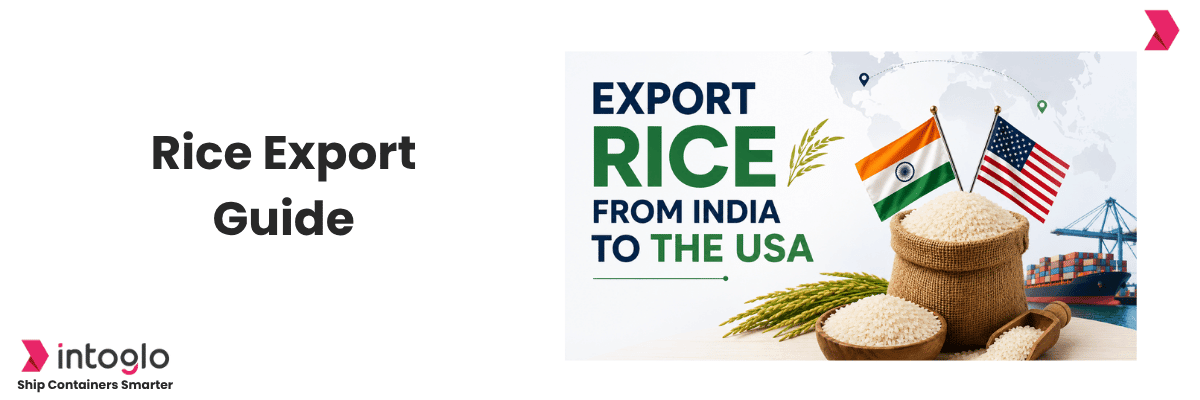
India is the world's largest rice exporter, and the United States is one of its most important markets. if you want to export rice from India to USA it requires FDA compliance, accurate documentation, quality packaging, and reliable logistics.
Key facts about exporting Rice From India to the USA at a glance:
- India exports premium Basmati and Non-Basmati rice to the USA.
- Rice shipments must comply with U.S. FDA and CBP regulations.
- FCL shipping is the preferred option for large commercial shipments.
- Proper packaging preserves product quality during transit.
- Accurate documentation reduces customs delays.
- Ocean freight offers the most cost-effective solution for bulk exports.
- Working with an experienced freight forwarder simplifies international shipping.
Is There a Market for Indian Rice in the USA?
The United States imports significant volumes of Indian Basmati and Non-Basmati rice annually, driven by demand from retailers, food processors, and wholesalers. For Indian exporters, this represents a strong opportunity - provided they meet U.S. import regulations and work with reliable logistics partners
Types of Rice Exported from India
India exports several rice varieties to the U.S. market depending on buyer requirements.
| Rice Variety | Common Use |
| Basmati Rice | Premium retail and restaurants |
| Non-Basmati Rice | Everyday consumption |
| Parboiled Rice | Food processing industries |
| Brown Rice | Health-conscious consumers |
| Organic Rice | Organic food retailers |
Different buyers may require specific packaging formats, certifications, or quality standards before shipment.
Export Process
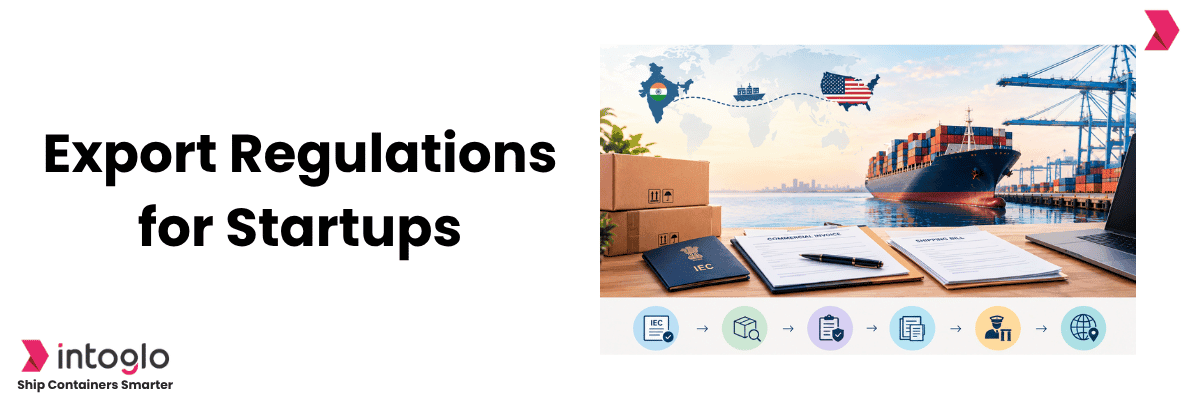
Exporting rice from India to the USA involves several coordinated steps to ensure smooth cargo movement and regulatory compliance.
| Step | Process |
| 1. Secure an Overseas Buyer | Agree on specs, pricing, payment terms, and delivery conditions. |
| 2. Process and Pack the Rice | Clean, grade, pack, and label per buyer and regulatory requirements. |
| 3. Book Ocean Freight and Complete Export Clearance | Reserve container space and complete Indian customs documentation. |
| 4. Load Cargo into Containers | Stuff and seal containers at warehouse or port. |
| 5. U.S. Customs and FDA Review | CBP and FDA review the shipment on arrival. |
| 6. Final Delivery | Transport cargo to the buyer's warehouse after clearance. |
Following a structured export process helps minimize delays, improve shipment visibility, and maintain product quality throughout the supply chain.
Documents Required
Preparing accurate export documents is essential for customs clearance in both India and the United States.
| Document | Purpose |
| Commercial Invoice | Declares shipment value |
| Packing List | Lists package contents |
| Bill of Lading | Transportation document |
| Certificate of Origin | Confirms country of origin |
| Phytosanitary Certificate | Demonstrates plant health compliance |
| Importer Security Filing (ISF) | Required before cargo reaches the USA |
Errors in documentation can lead to shipment delays, inspections, or additional costs.

FDA and Customs Requirements
Rice exported to the United States must comply with both FDA food safety regulations and U.S. Customs and Border Protection requirements.
Exporters should ensure the following:
- FDA Facility Registration: Food manufacturing, processing, packing, or storage facilities may need FDA registration before exporting products.
- Prior Notice Submission: The FDA generally requires Prior Notice before food shipments arrive in the United States for advance review.
- FSVP Compliance: U.S. importers must comply with the Foreign Supplier Verification Program (FSVP), ensuring imported food meets applicable U.S. food safety standards.
- Product Labeling: Packaging should include the product name, net weight, country of origin, lot identification where applicable, and other labeling information required by the importer.
- Accurate Customs Documentation: Commercial invoices, packing lists, and shipping documents should remain consistent throughout the export process.
Working with experienced customs brokers and freight forwarders helps businesses meet compliance requirements while minimizing clearance delays.
Packaging and Shipping
Maintaining product quality during international transportation begins with proper packaging.
Rice is commonly packed in food-grade polypropylene bags, laminated sacks, woven bags, or retail-ready packaging depending on customer requirements. Moisture-resistant packaging helps protect the product throughout long ocean voyages.
Exporters generally choose one of the following transportation options.
| Shipping Mode | Best For |
| FCL Ocean Freight | Large commercial shipments |
| LCL Ocean Freight | Smaller export volumes |
| Air Freight | Urgent or high-value shipments |
FCL shipping is widely preferred because it provides better cargo security, reduced handling, lower contamination risk, and improved cost efficiency for larger shipments.
Cost Factors
All figures below are indicative and subject to market fluctuations. Actual costs vary by carrier, route, season, and shipment specifics. Request a freight quotation for accurate pricing..
Several factors influence the total cost of exporting rice from India to the USA:
- Rice variety and volume affect export cost, with premium basmati priced higher than broken rice.
- Ocean freight rates change with route, vessel capacity, and seasonality.
- Packaging requirements add cost through moisture-resistant bags and treated pallets.
- Port handling charges vary by port, cargo type, and service scope.
- Customs clearance fees depend on documentation and compliance requirements.
- Inland transportation costs vary based on distance and equipment availability.
- Marine insurance depends on cargo value, route risk, and coverage level.
- Seasonal demand can increase freight and equipment costs during peak periods.
Obtaining a detailed freight quotation helps exporters plan budgets accurately before confirming a booking.
Common Challenges
Exporting rice involves several operational and regulatory challenges. Addressing them proactively helps businesses maintain efficient supply chains.
| Challenge | How to Overcome It |
| FDA compliance requirements | Ensure facilities, documentation, and products comply with applicable U.S. food regulations before shipping. |
| Customs documentation errors | Verify every shipping document carefully and work with experienced customs professionals. |
| Moisture damage during transit | Use food-grade, moisture-resistant packaging and prepare containers properly before loading. |
| Freight rate fluctuations | Plan shipments in advance and secure freight bookings early whenever possible. |
| Shipment delays | Monitor cargo with real-time shipment tracking and maintain regular communication with logistics partners. |
| Inland transportation coordination | Choose a freight forwarder offering end-to-end logistics and destination delivery services. |
Managing these challenges effectively improves shipment reliability while protecting cargo quality.
How Intoglo Helps?
Exporting rice involves much more than booking container space. Businesses must coordinate inland transportation, customs documentation, regulatory compliance, shipment tracking, and final delivery while ensuring product quality throughout the journey.
Intoglo handles end-to-end FCL freight forwarding from India to the USA - container transportation, customs coordination, documentation, and final delivery, all through one platform with transparent pricing and real-time tracking.
Make smarter shipping decisions with monthly updates on freight rates, regulations, and trade trends. Sign up for our free 30-minute monthly India to USA Trade Pulse webinar.
Need help exporting rice from India to the USA?
📩 contact@intoglo.com 📞 +91 84697 08714
Conclusion
If you want to export rice from India to the USA it is a strong growth opportunity - but success depends on accurate documentation, FDA and CBP compliance, proper packaging, and the right shipping partner. Plan well, and the U.S. market is well within reach.
FAQs
Can India export rice to the USA?
Yes. India exports both Basmati and Non-Basmati rice to the United States while complying with applicable FDA and customs regulations.
What documents are required to export rice?
Common documents include the commercial invoice, packing list, bill of lading, certificate of origin, phytosanitary certificate, and Importer Security Filing where applicable.
Does rice require FDA approval?
Rice shipments must comply with FDA food import requirements, including applicable facility registration, Prior Notice, labeling, and food safety regulations.
Which shipping method is best for rice exports?
FCL ocean freight is generally the most cost-effective and secure option for large commercial rice shipments.
How long does ocean freight from India to the USA take?
Transit times typically range from 18 to 40 days depending on the origin port, destination, shipping route, and carrier schedule.