
Quick Overview
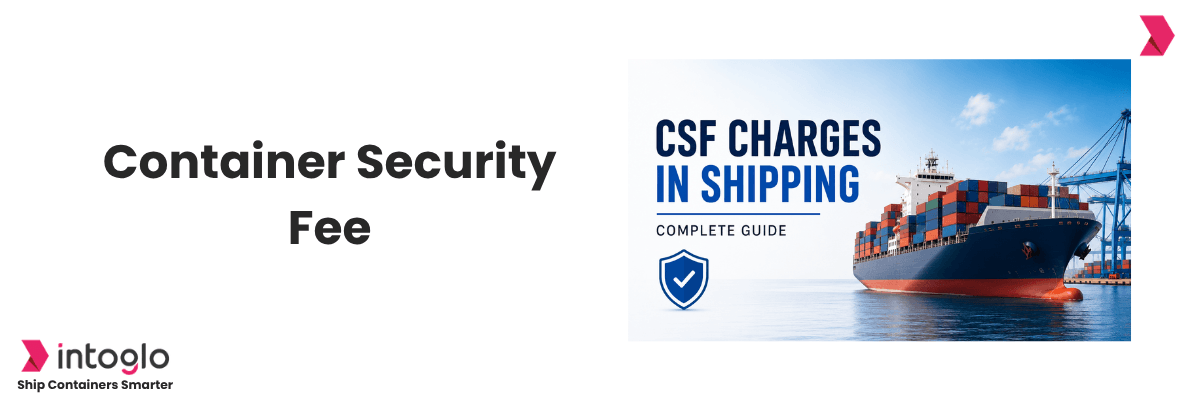
CSF Charges is a carrier-imposed surcharge commonly added to ocean freight quotations to recover security-related costs linked to ISPS compliance. These charges support compliance with the International Ship and Port Facility Security (ISPS) Code and help protect cargo, vessels, and port facilities from security threats throughout the shipping process.
Key facts about CSF charges at a glance:
- CSF stands for Carrier Security Fee - a standard surcharge on international ocean freight shipments
- Carriers use it to recover costs of security measures required under the ISPS Code
- It appears on freight quotes under different names - CSF, ISPS Charge, or Security Surcharge
- Either the exporter or importer pays it, depending on agreed Incoterms
- The charge varies by carrier, trade lane, and applicable port security requirements
- Most international ocean freight shipments include some form of this surcharge
What Are CSF Charges?
Carrier Security Fee (CSF) is a carrier-imposed surcharge used to recover costs associated with ISPS-related security measures on ocean freight shipments.
Following global security regulations, shipping companies invest in surveillance systems, security personnel, cargo screening, restricted access controls, and monitoring infrastructure. Rather than absorbing these costs, carriers recover part of the expense through the Carrier Security Fee.
Unlike optional value-added services, CSF is a standard operational surcharge that most carriers apply to eligible international shipments - though the exact charge and whether it's itemized separately can vary by carrier and trade lane.
What is the ISPS Code?
The International Ship and Port Facility Security (ISPS) Code is a global maritime security framework developed by the International Maritime Organization (IMO).
The code was introduced to strengthen security across international shipping following increased concerns over terrorism, piracy, smuggling, and unauthorized access to ships and port facilities.
Today, the ISPS Code establishes standardized security procedures that ports, shipping companies, and vessels must follow to protect cargo and ensure safe maritime operations.
ISPS Security Levels
The ISPS Code operates under three security levels depending on the level of perceived risk.
| Security Level | Meaning | Typical Situation |
| Level 1 | Normal | Routine port and vessel operations |
| Level 2 | Heightened | Increased security due to potential threats |
| Level 3 | Exceptional | Immediate or imminent security threat |
Higher security levels may require additional inspections, restricted access, increased surveillance, and enhanced cargo screening, which can increase operational costs for carriers.
How CSF and ISPS Work Together?
Although they are closely related, CSF and the ISPS Code serve different purposes.
The ISPS Code establishes the security standards that shipping companies and ports must follow. CSF is the surcharge that helps recover the costs associated with implementing those security measures.
ISPS is the security framework, while CSF is the charge carriers use to recover related costs, delayed port entry, or penalties. CSF enables carriers to maintain these security standards while continuing efficient cargo movement.
Who Pays Carrier Security Fee?
In most international shipments, the Carrier Security Fee is typically borne by either the exporter or importer, depending on the agreed shipping terms and Incoterms.
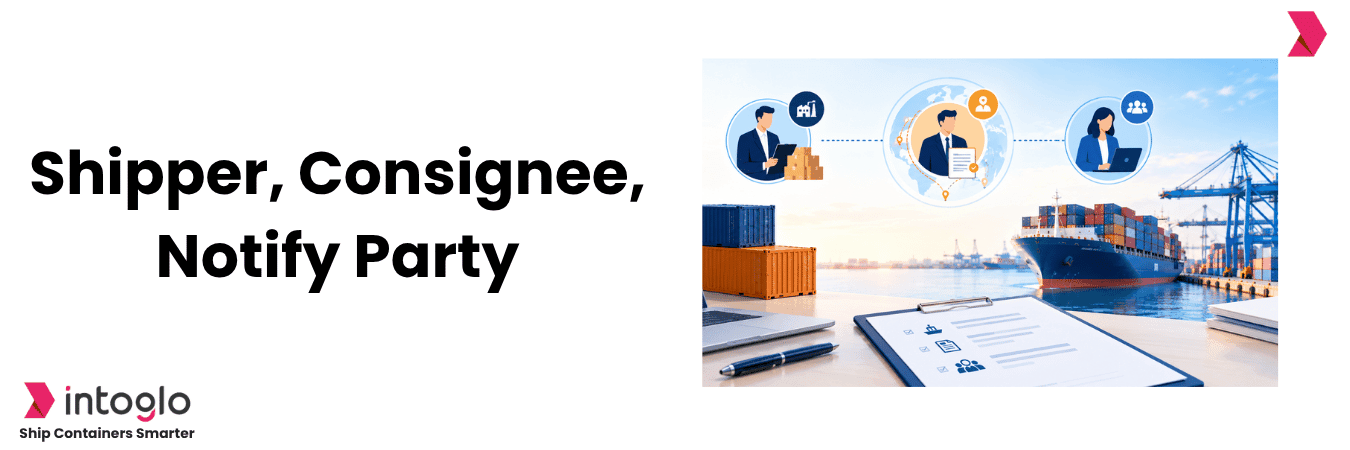
| Party | Responsibility |
| Shipper | May pay CSF on export shipments |
| Consignee | May pay destination security charges |
| Shipping Line | Collects the surcharge |
Businesses should always review their freight quotations to understand which party is responsible for security-related costs.
How Does CSF Appear on Freight Quotes?
Carrier Security Fee is generally listed separately from the base ocean freight rate.
Freight quotations may describe the charge under labels such as:
- Carrier Security Fee (CSF)
- Security Surcharge
- ISPS Charge
- ISPS Security Fee
Since terminology may vary between carriers, exporters should carefully review freight quotations to understand all applicable shipping charges before confirming a booking.
Why Understanding CSF Charges Matters?
Many businesses focus only on the ocean freight rate when comparing logistics providers. However, standard surcharges like CSF also contribute to the total shipping cost.
Understanding these charges allows exporters to:
- Estimate shipping budgets more accurately.
- Avoid unexpected costs.
- Compare freight quotations effectively.
- Improve supply chain planning.
- Understand regulatory compliance requirements.
Greater transparency also helps businesses make informed logistics decisions when selecting shipping partners.

How Intoglo Helps?
Understanding freight quotations can be difficult, especially when multiple surcharges are included.
Intoglo provides end-to-end digital FCL freight forwarding from India to the USA, helping exporters manage freight bookings, customs coordination, shipment visibility, and transparent pricing through a single platform.
With clear freight quotations and dedicated logistics support, Intoglo helps businesses understand shipping charges while simplifying international container movement.
Make smarter shipping decisions with monthly updates on freight rates, regulations, and trade trends. Sign up for our free 30-minute India–USA Trade Pulse webinar.
Need help with India–USA shipping?
📩 contact@intoglo.com 📞 +91 84697 08714
Conclusion
CSF Charges in Shipping is an important component of international ocean freight, helping shipping lines maintain compliance with global maritime security standards under the ISPS Code. While it represents only one part of total shipping costs, understanding how CSF works enables businesses to budget more accurately, compare freight quotations effectively, and avoid unexpected expenses. Partnering with an experienced freight forwarder also provides greater transparency into freight charges and supports smoother international shipping operations.
FAQs
Is Carrier Security Fee mandatory?
Ocean carriers commonly include CSF in freight quotations, though the exact charge depends on the route, carrier, and applicable security costs.
Is CSF the same as the ISPS charge?
The ISPS Code sets the security standard; the Carrier Security Fee recovers the cost of meeting it. Carriers may show this fee under different names like CSF, ISPS Charge, or Security Surcharge - but the purpose remains the same.
Can CSF vary between shipping lines?
Yes. The amount charged may vary depending on the carrier, trade lane, port requirements, and applicable security regulations.
Does every shipment include CSF?
Not every shipment carries the same charge, but most international ocean freight shipments include some form of security-related surcharge. The exact amount and label depend on the carrier and shipping route.
Why is CSF important?
CSF supports essential security measures that protect cargo, vessels, port facilities, and supply chains while ensuring compliance with international maritime regulations.