Quick Overview
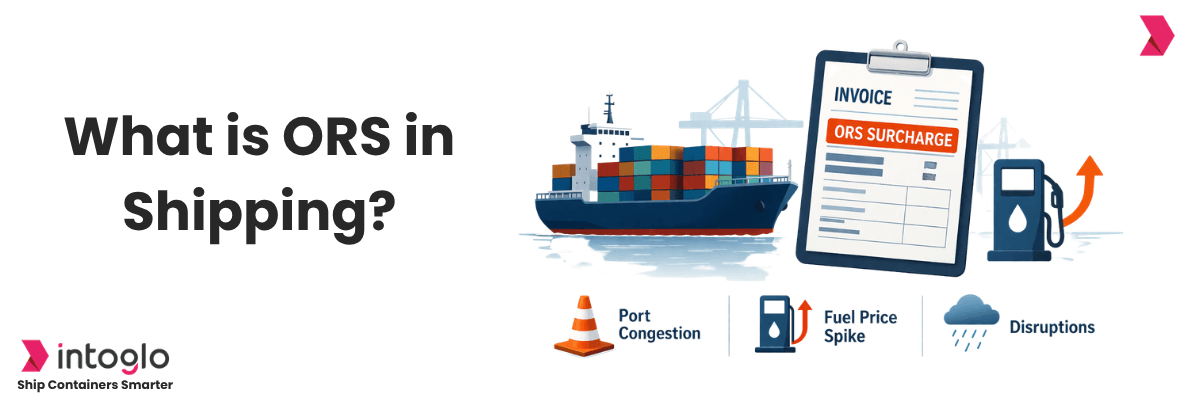
Operational Recovery Surcharge (ORS) is an additional shipping surcharge applied by ocean carriers to recover increased operational costs caused by disruptions such as port congestion, equipment shortages, route changes, capacity constraints, or unexpected market conditions.
Here’s what shippers should know about Operational Recovery Surcharge (ORS):
- ORS is an extra surcharge added on top of standard ocean freight charges to recover exceptional operating costs.
- It is typically introduced during periods of supply chain disruption, congestion, or operational imbalance.
- ORS can vary by carrier, trade route, container type, and market conditions.
- The surcharge may be temporary and revised or withdrawn depending on operational recovery.
Now that you have a quick understanding of Operational Recovery Surcharge (ORS), let’s look at when carriers apply ORS and how it impacts shipping costs.
What Is ORS in Shipping?
ORS (Operational Recovery Surcharge) is an additional fee charged by shipping lines on top of the base freight rate to recover extra operational costs caused by unexpected disruptions during transit or port operations.
It is usually applied per container and can change depending on route conditions, port situations, and carrier announcements.
ORS is not a penalty. It is a cost-recovery mechanism. All major shipping lines - Maersk, MSC, CMA CGM, Hapag-Lloyd use it.
Why Do Shipping Lines Charge ORS?

Ocean freight operations are highly sensitive to disruptions, and even small delays can trigger extra operational costs. Here are the main reasons ORS gets introduced:
- Port Congestion: When a major port is overcrowded, ships wait longer. That waiting costs money - fuel, crew time, port fees.
- Fuel Price Spikes: If crude oil prices jump suddenly, the cost of running a ship goes up. ORS helps cover this gap.
- Labor Strikes: Dock workers or port staff going on strike can delay entire shipping routes.
- Geopolitical Events: Conflicts, sanctions, or trade disputes force ships to take longer alternative routes.
- Natural Disasters: Floods, storms, or earthquakes at key ports can disrupt normal operations for weeks.
ORS is usually introduced as a temporary surcharge - but in practice, it can stay in place for months while the disruption continues.
How Does ORS Affect Your India-USA Shipment?
ORS is applied per container. So the more containers you're shipping, the more ORS adds to your total cost.
Here's a simple example:
Base freight rate: USD 1,200 per TEU + ORS: USD 150 per TEU = Total freight: USD 1,350 per TEU
If you're shipping 3 containers, ORS alone adds USD 450 to your bill. That's money you need to account for when quoting prices to your US buyers.
How Is ORS Different from Other Shipping Surcharges?
Freight invoices often include multiple surcharges, and it’s easy to confuse ORS with other common fees like BAF, PSS, or THC.
| Surcharge | What It Covers | How It’s Different from ORS |
| BAF (Fuel Surcharge) | Fuel price fluctuations | ORS covers broader operational disruptions, not just fuel. |
| PSS (Peak Season Surcharge) | Seasonal demand spikes | ORS is triggered by unexpected disruptions and can apply anytime. |
| THC (Terminal Handling Charge) | Port handling /loading /unloading costs | THC is usually fixed per port, while ORS is dynamic and disruption-based. |
Knowing the difference helps you question your invoice when something looks off.
When Is ORS Applied on India-USA Routes?
ORS is not always active. Shipping lines introduce it when a specific disruption happens. For the India-to-USA trade lane, ORS is often triggered by:
- Suez Canal or Red Sea disruptions: Ships reroute around the Cape of Good Hope, adding 7–10 extra days and significant fuel costs.
- US West Coast port congestion: Ports like Los Angeles and Long Beach are among the world's busiest - they congest regularly.
- Indian port delays: Congestion at JNPT (Mumbai), Mundra, or Chennai can trigger ORS on outbound India shipments.
- Transshipment hub issues: India-USA cargo often passes through Colombo, Singapore, or Dubai - delays at these hubs can also trigger ORS.
Shipping lines will notify customers in advance, usually with a 5–15 day notice period, before a new ORS takes effect.
To avoid last-minute surprises, it helps to work with a freight partner who keeps you updated on surcharge changes. Intoglo provides transparent freight quotes with clear surcharge breakups, real-time shipment tracking, updated sailing schedules, and proactive alerts when ORS is introduced or revised, so you can plan shipments and costs with confidence.
Need help with your shipment? Reach out to Intoglo:
📩 contact@intoglo.com | 📞 +91 84697 08714
Conclusion
ORS is a normal part of ocean freight shipping. It exists because global shipping is full of unpredictable disruptions. As an Indian exporter, the best thing you can do is understand what ORS is, check your invoices carefully, and work with a freight forwarder who keeps you informed.
FAQs
What does ORS stand for in shipping?
ORS stands for Operational Recovery Surcharge. It is a fee charged by shipping lines to recover costs caused by unexpected disruptions like port congestion, fuel spikes, or geopolitical events.
Is ORS the same on every shipment from India to the USA?
No, ORS charges vary by shipping line, route, container type, and the specific disruption that triggered the surcharge. Always check your freight quote for the latest ORS rate.
Can I negotiate or avoid ORS?
You generally cannot avoid ORS when it is in effect - it's applied across all shipments on a route. However, larger shippers with volume contracts may have some room to negotiate. A good freight forwarder will ensure you only pay valid, correctly calculated ORS charges.
How much is ORS on India-to-USA shipments?
ORS (Operational Recovery Surcharge) isn’t a fixed amount - it varies by carrier, route conditions, container type, and current operational disruptions. On India-to-USA trade lanes, ORS typically ranges from around USD 100 to USD 300 per container, with higher amounts sometimes seen during major disruptions or fuel price spikes.