Quick Overview
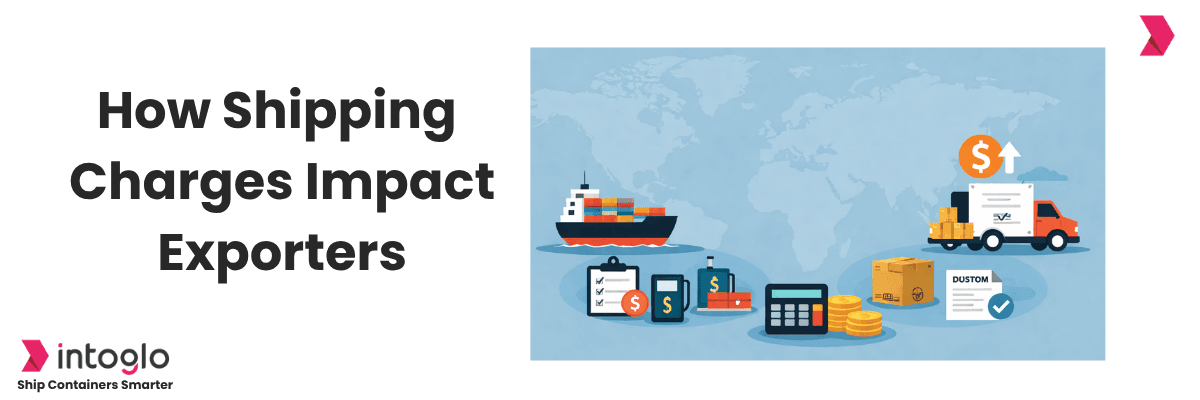
Shipping charges refer to the total cost of transporting goods from one location to another, including freight, handling fees, surcharges, and other service-related expenses.
The key points below explain what shipping charges include and how they can affect your business costs and pricing decisions:
- Shipping charges consist of multiple components such as freight charges, ancillary services, and various surcharges.
- Costs are influenced by factors like shipment dimensions, distance between origin and destination, cargo density, and product type.
- Market conditions such as fuel prices, seasonal demand, and port congestion can significantly impact final shipping rates.
- Additional service costs like loading, unloading, documentation, warehousing, and customs support also contribute to the total charge.
- Lack of clarity in shipping costs can lead to incorrect pricing, reduced profit margins, and unexpected logistics expenses.
Now that you have a quick understanding of shipping charges, let’s break down what they actually mean in detail.
What Are Shipping Charges?
Shipping charges are the total amount paid to transport goods from the seller to the buyer. This includes not just the transport cost, but also other costs needed to move the shipment safely.
Shipping charges can apply to local deliveries, national shipping, and international freight. The final shipping cost is usually a mix of freight charges, handling fees, and extra carrier surcharges.
In simple words, shipping charges are everything you pay to ensure your goods reach the destination without delay.
Why Understanding Shipping Charges Matters
Shipping costs are not small. For many businesses, shipping is one of the biggest expenses after production. If you don’t understand shipping charges properly:
- You may quote the wrong price to customers,
- Your profit margins may drop,
- And your shipment may get delayed due to missing fees or documents.
But when you understand how shipping charges work, you can plan better. You can choose the right shipping method, avoid unnecessary costs, and offer fair pricing to customers.
What are the Factors that Influence Shipping Charges?

Shipping charges are not fixed. They change depending on many factors. Understanding these factors helps you estimate costs in advance and avoid last-minute surprises.
1. Dimensions of Freight
The size of your shipment affects shipping cost. Larger packages take up more space in a truck, ship, or aircraft, so carriers may charge more even if the weight is low. Using smaller and more efficient packaging can help reduce shipping charges.
2. Origin and Destination
Shipping cost depends on the distance between pickup and delivery. Longer routes and international shipments usually cost more due to extra fuel, handling, and customs processes. Remote locations may also include additional delivery charges.
3. Density and Freight Classification
Density is the weight of your shipment compared to its size. Bulky but lightweight cargo often costs more because it takes up more space. Heavy but compact cargo may cost less. This is why freight classification affects shipping charges.
4. Type of Commodity
Shipping cost also depends on what you are sending. Fragile goods need extra care, perishable items may require temperature control, and hazardous cargo needs special approvals. These requirements increase charges, while regular solid goods are usually cheaper to ship.
5. Economic and Market Conditions
Shipping rates can change due to fuel prices and market demand. When fuel costs rise, carriers increase charges. Rates also go up during peak seasons like holidays because shipping demand becomes higher.
What are the Common Types of Shipping Charges
Shipping charges are usually divided into three main categories. Understanding these categories helps you know where your money is going.
1. Freight Charges
Freight charges are the main cost of transporting goods by road, sea, rail, or air. They depend on distance, weight, volume, and shipping mode. Air freight is faster but more expensive, while ocean freight is slower but cheaper for heavy shipments. Freight charges are usually the biggest part of the total shipping cost.
2. Ancillary Charges
Ancillary charges are additional costs for services needed during shipping, not for transport itself. These include loading and unloading, warehousing, documentation, port handling, and customs support. Individually, they may seem small, but together they can increase the total shipping cost.
3. Surcharges and Fees
Surcharges are extra charges added on top of freight costs due to specific conditions. These may include fuel surcharge, security surcharge, peak season surcharge, and congestion surcharge. Since surcharges change often, it is important to ask for a complete cost breakdown before booking.
Exporters often struggle with unpredictable shipping charges. Freight forwarders like Intoglo can help you with structured FCL shipping from India to the USA, making it easy to see exactly what you’re paying for. This helps businesses plan costs, avoid surprises, protect profits, and focus on growth.
For hassle-free and transparent shipping, connect with the Intoglo team today:
📩 contact@intoglo.com | 📞 +91 84697 08714
Conclusion
Shipping charges are more than just freight; they include service fees and surcharges based on shipment size, distance, cargo type, and market conditions. Understanding them helps you make smarter shipping decisions, avoid extra costs, and protect your profits. Clear knowledge of shipping charges is essential for smooth logistics and business success.
FAQs
What are shipping charges made up of?
Shipping charges include the base freight cost, ancillary services like loading, documentation, and customs support, plus surcharges such as fuel, security, and peak-season fees. Together, these make up the total cost of moving goods.
How can I estimate shipping charges before booking?
You can estimate shipping costs by measuring the package dimensions, checking the weight, knowing the origin and destination, understanding your cargo type, and requesting a detailed cost breakdown from your freight forwarder.
Why do shipping charges vary for the same shipment?
Shipping costs can change due to fuel price fluctuations, market demand, peak seasons, port congestion, and changes in service fees. Even small differences in weight or dimensions can affect costs.
What is the difference between freight charges and surcharges?
Freight charges are the base cost of transporting goods. Surcharges are extra fees added for specific conditions like fuel price hikes, security measures, or high shipping demand during holidays.
Are there ways to reduce shipping charges?
Yes, use efficient packaging, consolidate shipments, choose the right shipping mode, plan shipments in advance, and work with a reliable freight forwarder to avoid hidden fees and unexpected surcharges.
Do shipping charges include customs duties and taxes?
No, shipping charges cover transport, handling, and surcharges. Customs duties, taxes, or import fees are separate and depend on the destination country’s regulations.
Can shipping charges impact my business pricing?
Absolutely, shipping costs are a key part of your total product cost. Understanding them helps you set fair prices, maintain profit margins, and avoid losses due to unexpected expenses.