Quick Overview
EIS can quietly increase your shipping costs if you don’t account for it upfront. This article explains what Emergency Imbalance Surcharge (EIS) is, why it is charged, how it impacts your export invoices, and how you can plan and budget better to avoid surprises.
In international shipping, freight rates are not just about base ocean costs. Multiple surcharges are added depending on market conditions, and EIS is one of the most commonly misunderstood. To manage your shipping costs effectively, it’s important to first understand what EIS actually means.
What is Emergency Imbalance Surcharge (EIS)?
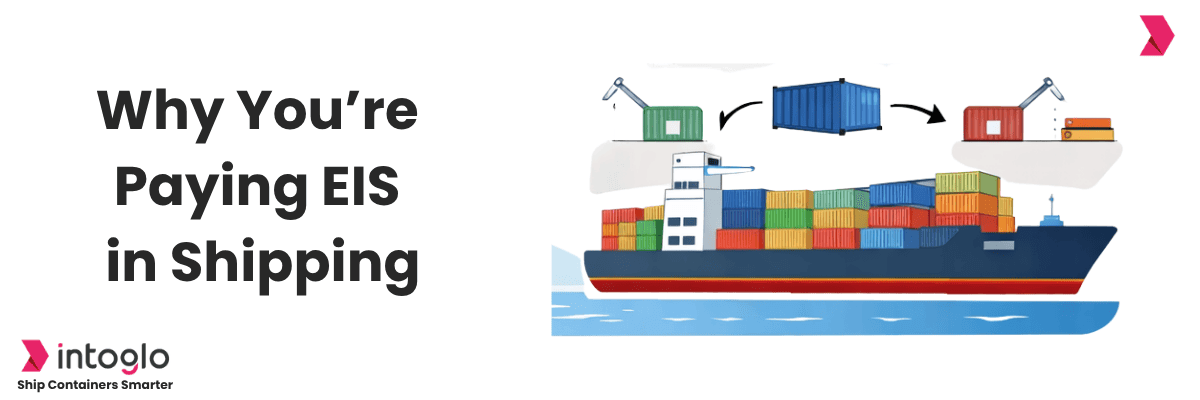
EIS stands for Emergency Imbalance Surcharge. Shipping lines levy this fee when empty containers accumulate at a discharge port but are scarce at a loading port.
In simple terms, it is a surcharge used to recover the cost of repositioning empty containers from locations where they are in excess to locations where they are needed for exports.
It is not a penalty. It is a logistics recovery fee - and it applies to your shipment, whether you're a large enterprise or a small MSME exporter.
Why Does Container Imbalance Happen?
Container imbalance is a structural feature of global trade. Here's why it occurs:
- Trade deficits: Countries that import more than they export (like the USA from India) end up with more full containers arriving than leaving. Empty boxes pile up.
- Seasonal demand swings: A surge in exports during peak seasons (Diwali shipments, Q4 holiday rush) drains containers from origin ports rapidly.
- Port congestion: Delays at busy ports lock up containers that could otherwise be repositioned.
- Route mismatches: Containers booked on high-demand lanes (India to USA) leave behind empty boxes far from where demand is next.
How Does EIS Affect Your Export Invoice?
EIS is added as a line item on your freight invoice. You may see it listed as:
- Emergency Imbalance Surcharge
- Equipment Imbalance Surcharge
- Container Imbalance Fee
The charge is typically applied per container (TEU or FEU). Rates vary by shipping line, route, and market conditions. Always request a full freight quote that breaks out surcharges separately before booking.
When is EIS Applied?
EIS is almost always applied to outward (export) cargo shipments leaving a port where empty containers are in surplus.
Key triggers for EIS:
- Port surplus: The origin port has too many empties relative to demand.
- Repositioning costs spike: The shipping line needs to move containers from surplus to deficit locations.
- Market disruptions: Events like COVID-19, Red Sea diversions, or port strikes can create sudden imbalances overnight.
Quick Comparison of EIS & Other Freight Fees
Before you book your shipment, it’s important to understand how EIS compares to other common surcharges. Each fee covers a different operational cost, helping you read and validate your freight quote with clarity.
| Surcharge (Full Form) | What It Covers | Applied To |
| EIS (Emergency Imbalance Surcharge) | Cost of repositioning empty containers between locations. | Export cargo |
| BAF (Bunker Adjustment Factor) | Fuel price fluctuations are impacting vessel operations. | All cargo |
| THC (Terminal Handling Charges) | Port terminal costs for loading, unloading, and handling containers. | All cargo |
| PSS (Peak Season Surcharge) | Increased demand and limited capacity during peak shipping periods. | All cargo (seasonal) |
| CAF (Currency Adjustment Factor) | Currency exchange fluctuations affecting international freight costs. | International routes |
How to Anticipate and Budget for EIS?

EIS is not always predictable, but you can minimise surprises with these steps:
1. Request an all-in quote: Ask your freight forwarder to list every surcharge, including EIS, before booking.
2. Track surcharge notifications: Shipping lines publish EIS notices in advance. Monitor your forwarder's updates.
3. Compare carriers: EIS rates vary by shipping line. A forwarder with multiple carrier partnerships can route around high-EIS lanes.
4. Book in advance: Last-minute bookings during peak demand periods attract the highest surcharges.
5. Negotiate terms: Large exporters can sometimes negotiate surcharge caps or fixed-rate contracts with carriers.
Ship smarter with Intoglo. As India’s dedicated freight forwarder to the USA, Intoglo provides transparent quotes with all surcharges itemised - including EIS, so there are no surprises on your invoice.
Get in touch with the Intoglo team for any queries or India–USA shipments:
📩 contact@intoglo.com | 📞 +91 84697 08714
Conclusion
EIS is a legitimate cost of global logistics, not a hidden fee. Understanding why it exists helps you budget accurately and negotiate better. As an Indian exporter shipping to the USA, EIS will appear on your invoices regularly. Work with a freight partner who gives you full transparency on every line item before you book, not after.
FAQs
Is EIS always charged on India–USA shipments?
Not always, but it is common. EIS is triggered by container availability at the time of booking. Ask your freight forwarder to confirm whether EIS applies to your specific lane and vessel at the time of shipment.
Can I negotiate or waive EIS charges?
EIS is set by the shipping line, not the freight forwarder. However, working with a forwarder who has volume agreements with multiple carriers increases your chances of accessing lanes with lower or no EIS at a given time.
How is EIS different from THC (Terminal Handling Charges)?
THC covers the cost of handling your container at the port terminal - loading, unloading, and equipment use. EIS specifically covers the cost of moving empty containers from surplus locations to deficit ones. Both may appear on the same invoice.
Will EIS appear separately on my freight invoice?
Yes, reputable freight forwarders and shipping lines list EIS as a distinct line item on your invoice. If you see a lump-sum 'miscellaneous' charge instead, ask for a full cost breakdown before accepting the quote.