Quick Overview
Fasteners are small components, such as screws, bolts, nuts, rivets, and washers, used to join or fasten parts together. Under the Harmonised System (HS), fasteners are primarily classified by material, which determines the correct HS code and duty category.
Here's what Indian exporters must know before classifying fasteners:
- Fasteners are primarily classified by material: iron/steel (Chapter 73), copper (Chapter 74), aluminium (Chapter 76), and plastic (Chapter 39).
- Most industrial fasteners fall under HS Code 7318 - the primary classification for iron and steel fasteners.
- Copper fasteners are classified separately under HS Code 7415, used in corrosion-resistant and electrical applications.
- Subcodes under 7318 depend on the fastener type, such as wood screws, self-tapping screws, bolts, and nuts.
Now that you have a quick understanding of fastener HS code classification, let’s break down the key HS code categories and how to identify the correct one for your shipment.
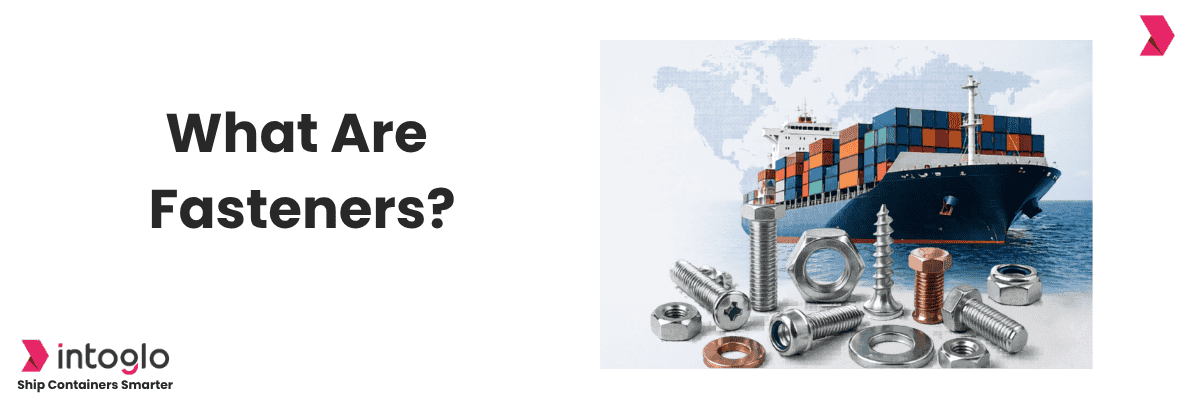
What are Fasteners?
Fasteners are mechanical components used to join or secure two or more parts. They are widely used across industries like construction, manufacturing, automotive, aerospace, and electronics, wherever strong and precise assembly is required.
Under the Harmonised System (HS), fasteners are classified based on their material composition. This is important for exporters because selecting the wrong HS chapter can result in incorrect duty charges, customs delays, and compliance issues.
Under the Harmonised System, fasteners are primarily classified by material:
- Iron & Steel Fasteners: Covered under Chapter 73.
- Copper Fasteners: Covered under Chapter 74
- Aluminium Fasteners: Classified under Chapter 76
- Plastic Fasteners: Covered under Chapter 39
This article focuses on iron/steel and copper fasteners - the two categories that account for the majority of India's fastener exports to the US and other key markets.
HS Code Classification for Fasteners

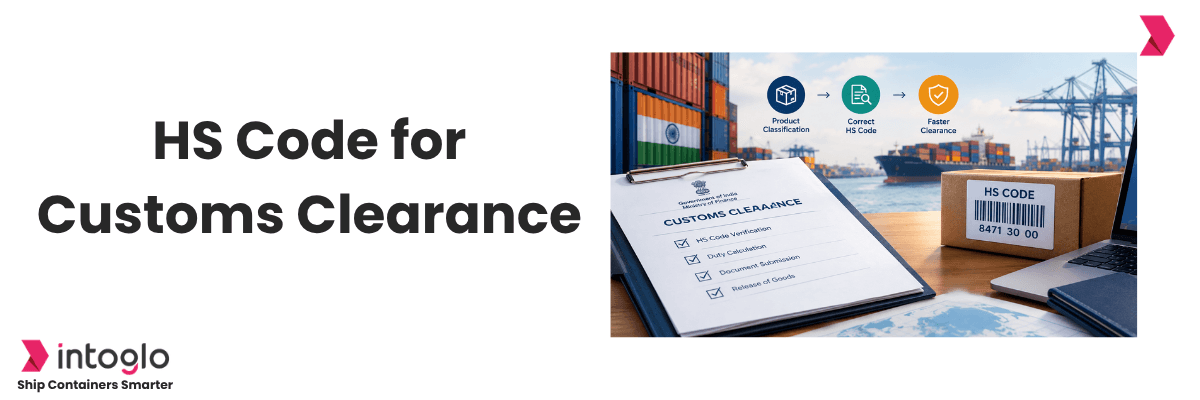
Understanding HS codes for fasteners is critical for accurate classification, correct duty calculation, and smooth customs clearance in international trade.
Iron & Steel Fasteners - HS Code 7318 (Chapter 73)
This is the primary classification used for most industrial fasteners made of iron or steel.
| HS Code | Fastener Type | Common Applications |
| 7318.11 | Coach Screws & Machine Screws | Heavy construction, timber framing, and railway infrastructure |
| 7318.12.00 | Wood Screws | Furniture, cabinetry, interior fittings |
| 7318.13.00 | Screw Hooks and Rings | Hardware, shelving, utility mounting |
| 7318.14.00 | Self-Tapping Screws | Sheet metal assembly, automotive panels, HVAC ducting |
| 7318.15.00 | Other Screws and Bolts | Industrial machinery, heavy equipment, and general engineering |
| 7318.16.00 | Nuts | Paired with bolts in construction, automotive, and industrial applications |
Copper Fasteners - HS Code 7415 (Chapter 74)
Copper fasteners are mainly used where corrosion resistance and high conductivity are important, making them common in specialised industrial applications.
| HS Code | Fastener Type | Common Applications / Coverage |
| 7415 | General Copper Fasteners | Nails, tacks, drawing pins, screws, bolts, nuts, and washers |
| 7415.33 | Copper Screws, Bolts & Nuts | Aerospace, marine, and high-precision engineering applications |
Industry Applications of Fasteners by HS Code
Fasteners play a critical role across various industries due to their versatility and durability. Here are the key applications and examples for each HS Code category:
- Construction Industry: Coach screws, bolts, and self-tapping screws for building frameworks and structural integrity.
- Automotive Sector: Machine screws, rivets, and nuts used in vehicle assembly and repair.
- Aerospace Industry: Copper fasteners and precision bolts for aircraft manufacturing and maintenance.
- Manufacturing: Wood screws, washers, and cotter pins for machinery assembly and production lines.
- Home Improvement and DIY Projects: Wood screws, screw hooks, and rings for furniture assembly and home repairs.
Top Fastener Exporting Hubs in India
India’s fastener exports are concentrated in the following major manufacturing clusters:
1. Ludhiana (Punjab): India’s largest fastener hub, known for high-volume production of nuts, bolts, and screws.
2. Pune–Mumbai (Maharashtra): A precision engineering corridor supplying high-tensile and automotive-grade fasteners.
3. Chennai–Coimbatore (Tamil Nadu): Strong automotive and heavy machinery base, producing both standard and custom fasteners.
4. Faridabad–Delhi/NCR: Major industrial belt supplying a wide range of commercial and industrial fasteners.
5. Rajkot–Ahmedabad (Gujarat): SME-driven hub known for stainless steel and industrial fastener manufacturing.
Emerging Trends in Fastener Procurement
The US fastener market is shifting fast, and Indian exporters who align with buyer expectations will win more long-term orders.
- Sustainable Manufacturing: Demand is rising for recycled steel, low-carbon production, and ISO-certified suppliers.
- Advanced Coatings: High-performance coatings like zinc-nickel and anti-corrosion finishes are becoming standard.
- China+1 Sourcing: US importers continue shifting sourcing away from China, creating stronger demand for Indian fastener suppliers.
- Faster Digital Buying: Buyers now prefer exporters with ready documentation, clear product specs, and quick quotations.
- Precision Fasteners Growth: Custom and high-tolerance fasteners are gaining demand due to higher margins and lower competition.
How to Correctly Classify Your Fastener Shipment
Before preparing your export documents, use this simple 5-step process to avoid HS code errors:
1. Confirm the base material: Check whether the fastener is made of iron/steel, copper, aluminium, or plastic. This decides the correct chapter (73, 74, 76, or 39).
2. Identify the fastener type: Determine if it is a screw, bolt, nut, rivet, washer, or cotter pin, since each has its own sub-heading.
3. Check the thread specification: Self-tapping screws (7318.14) are classified differently from other screws (7318.15), so always verify the product spec sheet.
4. Review coating and finish: Some coatings may affect classification, so confirm the base material carefully.
5. Validate before shipping: Cross-check the HS code through ICEGATE (India) or CBP CROSS (US), or consult a customs expert for confirmation.
Once your fasteners are correctly classified, the next step is planning the shipment with accurate documentation and reliable freight execution. Intoglo supports India–US fastener exporters with end-to-end freight forwarding, and you can also check your product classification using our HS Code Scanner, compare routes through the updated sailing schedule, and request an instant quote before shipping.
Need help with your shipment? Reach out to Intoglo:
📩 contact@intoglo.com | 📞 +91 84697 08714
Conclusion
HS codes are more than a compliance requirement-they directly affect duty costs, customs clearance timelines, and buyer confidence. For Indian fastener exporters, correct classification under Chapter 73 or 74 is essential to avoid delays and unexpected charges. India’s fastener exports are growing fast, but only exporters with accurate documentation will scale consistently in the US market.
FAQs
Is there a difference between HS Code and HTS Code for fasteners?
Yes, HS codes are 6-digit global classification codes, while HTS codes are the US-specific 10-digit version used to apply US duty rates and additional tariffs.
Can I use a single HS code for a mixed fastener shipment?
No, each type of fastener in your shipment must be listed separately with its own HS code on the commercial invoice and shipping bill.
What information should be included in the commercial invoice for fastener exports?
Your invoice should clearly mention product name, material type (steel/copper/stainless), size, grade, coating type, quantity, unit price, total value, and country of origin. Clear descriptions reduce customs queries and buyer disputes.
Do fasteners require special marking or labelling for US buyers?
Yes, many US buyers require packaging labels showing size, grade, batch number, manufacturer name, and country of origin. For industrial fasteners, grade markings on the product may also be required
Are stainless steel fasteners treated differently in export documentation?
Yes, even though stainless steel is still metal, exporters must mention stainless grade (like 304/316) because it affects buyer requirements, pricing, and application use (marine, chemical, etc.).
What are the most common reasons fastener shipments get delayed at customs?
The biggest reasons include unclear invoice descriptions, missing material certificates, incorrect packaging details, a mismatch in quantity/weight, and incomplete documentation, like COO or test reports.
What are the biggest packaging mistakes exporters make in fastener shipments?
Common issues include weak cartons, no moisture protection, incorrect weight distribution, poor palletization, and missing inner labelling. These lead to damage claims and rejection by US warehouses.