
Quick Overview
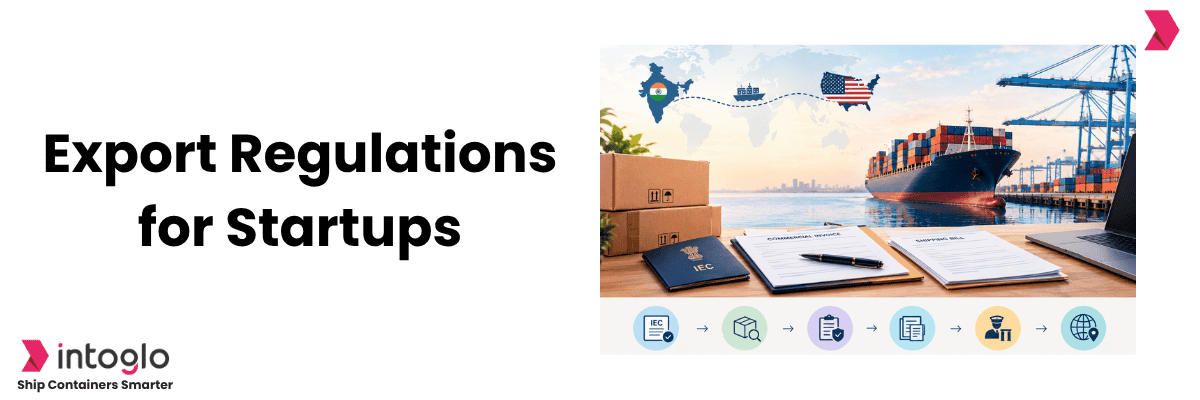
For Indian startups, understanding Indian export regulations before the first shipment can prevent customs delays, documentation errors, and unexpected costs. Startups should begin with an IEC, correctly classify their products, check export restrictions, prepare mandatory documents, and confirm the destination country's requirements.
Key facts about Indian Export Regulations for Startups at a glance:
- IEC is generally mandatory for exporting goods from India.
- IEC details must be updated annually.
- Product classification affects export requirements.
- Restricted products may need DGFT authorisation.
- SCOMET controls apply to specified dual-use items.
- A Shipping Bill is a core export document.
- Destination-country rules also affect compliance.
1. Get an Importer Exporter Code
The Importer Exporter Code (IEC) is a 10-character number issued by DGFT and is generally required for exporting goods from India. DGFT states that the IEC is linked to the entity's PAN and must be updated electronically each year during April to June.
Startups should ensure that their company name, address, PAN, bank details, and other IEC information remain accurate.
Apply for or manage your IEC through DGFT
2. Classify Your Product Correctly
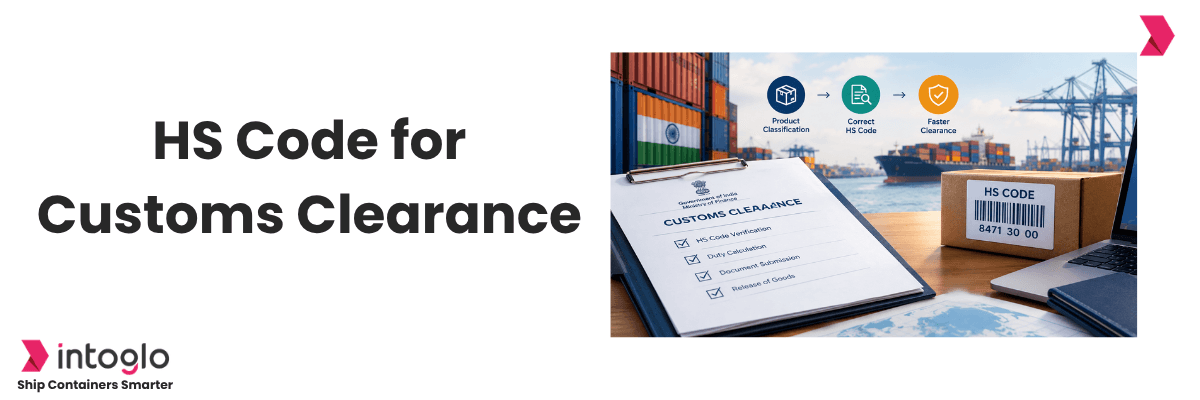
Before quoting a buyer or booking freight, identify the correct HS code for the product. Classification can affect export policy, documentation, duties, licensing, and destination-country requirements.
Do not rely only on a supplier's or buyer's suggested HS code. Review the product's material, function, specifications, and intended use.
| Check | Why it matters |
|---|---|
| HS code | Determines product classification |
| Export policy | Identifies free, restricted, or prohibited goods |
| Product specifications | Supports accurate classification |
| Destination | May trigger additional requirements |

3. Check Export Restrictions
DGFT classifies products under different export policies. Products may be free, restricted, or prohibited, and some exports have additional conditions.
Certain chemicals, technologies, electronics, aerospace products, and other dual-use items may fall under SCOMET controls. Such exports can require specific authorisation.
Check the applicable DGFT policy before accepting the order, not after the cargo is ready.
Check DGFT export policies and SCOMET requirements
4. Prepare the Required Export Documents
DGFT identifies three core documents for exporting goods:
| Document | Purpose |
|---|---|
| Commercial Invoice cum Packing List | Declares value and shipment details |
| Shipping Bill/Bill of Export | Customs export declaration |
| Bill of Lading/Airway Bill | Evidence of transportation |
Product-specific regulations can require additional certificates, licences, or approvals.
For startups, consistency matters. Product descriptions, quantities, values, HS codes, and consignee information should match across documents.
5. Complete Customs Clearance
Export documentation is submitted to customs through the applicable electronic process. Customs may assess the declaration and examine the shipment before granting clearance.
For courier exports, CBIC's Express Cargo Clearance System provides electronic processing and tracking facilities.
Working with an experienced customs partner can help identify documentation gaps before they delay cargo.
6. Check the Destination Country
Indian compliance is only one side of exporting. The buyer's country may have its own requirements covering:
- Product standards
- Labelling
- Import licences
- Food or consumer-product regulations
- Tariffs and duties
- Importer registration
- Customs documentation
For India-to-USA shipments, exporters should also understand US customs and product-specific requirements before dispatch.
Common Compliance Mistakes
| Mistake | Potential impact |
|---|---|
| Incorrect HS code | Clearance delays or incorrect duty |
| Missing authorisation | Shipment may be stopped |
| Inconsistent invoices | Customs queries |
| Ignoring destination rules | Import clearance problems |
How Intoglo Helps
Intoglo helps Indian exporters manage India-to-USA FCL shipments across ocean freight, customs coordination, US drayage, warehousing, and final delivery.
For exporters building their US business, Intoglo also runs Trade Pulse, a free 30-minute weekly webinar covering freight rates, tariffs, customs, and India-USA trade updates.
Planning your next shipment to the USA? Get a quote from Intoglo.
For updates on freight rates, carrier announcements, tariffs, and India–USA shipping trends, join our free 30-minute monthly India–USA Trade Pulse webinar.
📩 contact@intoglo.com | 📞 +91 84697 08714
Conclusion
Navigating Indian export regulations becomes easier when startups build compliance into the shipment process from the beginning. Getting the IEC right, confirming the HS code, checking DGFT restrictions, preparing accurate documents, and reviewing destination-country rules can reduce avoidable customs issues as export volumes grow.
FAQs
Is IEC mandatory for Indian startups?
Generally, yes. DGFT requires an IEC for export of goods unless a specific exemption applies.
Generally, yes. DGFT requires an IEC for export of goods unless a specific exemption applies.
How often should an IEC be updated?
IEC holders must confirm or update their details electronically each year during April to June.
What documents are needed to export from India?
Core documents include the transport document, commercial invoice cum packing list, and Shipping Bill or applicable export declaration.
What happens if my product is restricted?
You may need a DGFT authorisation or must meet additional conditions before exporting.
What is SCOMET?
SCOMET controls specified dual-use goods, technologies, and related items that can have civilian and strategic applications.
Does Indian compliance cover the entire export process?
No. Exporters must also meet the import and product requirements of the destination country.