
Quick Overview
Indian exporters can reduce shipping costs by planning container bookings early, improving cargo packaging, comparing complete freight quotations, and avoiding preventable delays. For businesses shipping from India to the USA, the final logistics bill includes more than ocean freight.
Key facts about reducing shipping Costs as a exporter:
- Compare total shipment costs, not just ocean freight.
- Improve container utilization before confirming bookings.
- Submit accurate documents before carrier deadlines.
- Plan destination delivery to avoid unnecessary storage.
- Review freight invoices for unexpected charges.
10 Tips to Reduce Shipping Costs
1. Compare Complete Freight Quotations
Request itemized quotations from freight forwarders and compare the same shipment details, including container size, origin, destination, transit time, and delivery requirements.
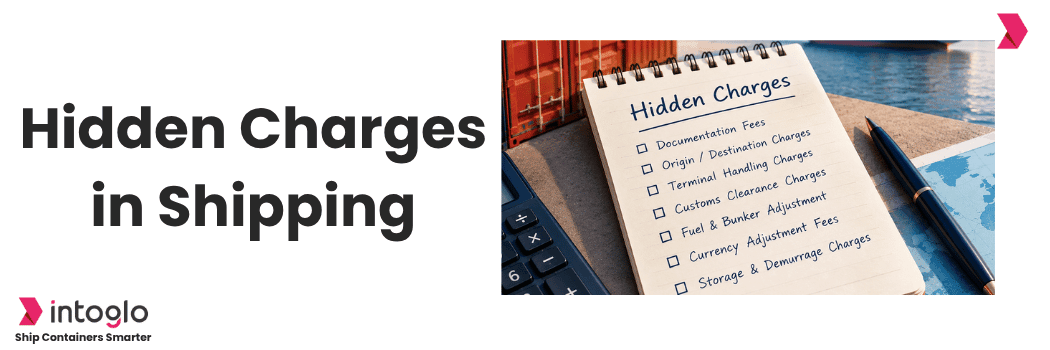
A low ocean freight rate may exclude origin handling, destination charges, customs services, or final delivery. Consequently, compare the total door-to-door cost before choosing a provider.
2. Choose the Right Container Size
Match your cargo volume and weight to the appropriate container. Poor planning can leave valuable container space unused or create loading and weight issues.
For regular India-USA shipments, review the dimensions, packaging, and expected volume before booking. However, never exceed container payload or applicable road weight limits to fit more cargo into a shipment.
3. Consolidate Shipments Where Practical
If your production schedule allows, combine compatible orders into one Full Container Load (FCL) shipment instead of sending several smaller consignments separately.
Consolidation may reduce repeated handling and documentation expenses. Still, calculate the cost of holding goods, extra warehouse space, and delayed delivery before postponing a shipment.
4. Book Early and Plan Around Deadlines
Last-minute bookings can limit carrier options and create pressure to accept less suitable schedules or rates.
Forecast production, cargo readiness, and delivery dates in advance. Then coordinate booking confirmations, container availability, factory loading, and port cut-offs. Early planning also gives your team more time to respond to schedule changes.

5. Prevent Documentation Errors
Incorrect shipping instructions, cargo descriptions, invoice values, or weight details can lead to amendments, clearance queries, and delays.
Prepare the commercial invoice, packing list, shipping instructions, and other required documents carefully. For Indian exports, check applicable requirements through APEDA’s export documentation guidance. Accurate documents help reduce avoidable rework, although they cannot eliminate every customs inspection or delay.
6. Review Incoterms Before Quoting
Incoterms define specific responsibilities between buyers and sellers for delivery, costs, and risk. They influence which party arranges transportation and handles export or import formalities.
Before quoting, confirm the agreed Incoterm and named place. For example, a seller offering DDP pricing needs to account for the applicable import clearance, duties, and delivery costs. Clear terms help prevent unexpected expenses and disputes.
7. Control Demurrage and Detention
Demurrage and detention can add significant costs when containers exceed the applicable free time.
Arrange customs clearance and destination delivery before the shipment arrives whenever possible. Confirm free-time terms, document requirements, and truck availability with the relevant service providers. Also track shipment milestones so your team can act promptly when schedules change.
8. Optimize Packaging Without Compromising Protection
Review packaging dimensions, pallet configuration, and stacking methods to use container space efficiently. Where appropriate, remove unnecessary outer packaging and standardize carton sizes.
However, packaging must still protect goods against movement, moisture, and handling damage. Damaged cargo can lead to claims, replacement expenses, and missed delivery commitments, offsetting any initial savings.
9. Plan U.S. Drayage and Final Delivery
For India-USA shipments, ocean freight is only one part of the logistics cost. Port congestion, appointment availability, chassis requirements, storage, and delivery distance can affect the final bill.
Share delivery requirements early and coordinate with the destination trucking provider. If your business uses U.S. warehousing or fulfillment, compare the cost of direct delivery against the cost and operational benefits of storing inventory closer to customers.
10. Audit Freight Invoices and Track Performance
Compare the final invoice with the original quotation and approved accessorial charges. Investigate unexplained differences, duplicate charges, and fees caused by missed deadlines.
Track cost per container, transit time, delay frequency, and additional charges by route or provider. Over time, this information helps exporters identify recurring problems and negotiate based on shipment history rather than assumptions.
How Intoglo Helps Indian Exporters
Intoglo specializes in India-USA FCL shipping, coordinating ocean freight, customs support, U.S. drayage, warehousing, and final delivery. A coordinated shipping plan helps exporters evaluate the full cost chain and identify charges that need clarification before booking.
Need to reduce shipping costs on your India-USA shipments? Get a quote from Intoglo.
Join the free India-USA Trade Pulse webinar for practical updates on freight rates, tariffs, customs, and shipping decisions.
Contact: contact@intoglo.com | +91 84697 08714
Conclusion
To reduce shipping costs, Indian exporters should evaluate freight, packaging, documentation, customs coordination, and final delivery as one connected process. Comparing total costs and tracking invoice differences can reveal savings that a lower ocean freight rate alone may not deliver. For exporters shipping from India to the USA, consistent planning and clear coordination can help protect margins and improve shipment reliability.
FAQs
1. What is the best way to reduce shipping costs?
Compare complete quotations, plan bookings early, improve container utilization, and control avoidable additional charges.
2. Does a lower ocean freight rate guarantee savings?
No. Origin fees, destination charges, customs costs, and delivery expenses affect the final amount.
3. How can exporters avoid demurrage and detention?
Prepare documents early, coordinate clearance, confirm free time, and plan container collection and return.
4. Can packaging reduce shipping costs?
Yes. Efficient packaging can improve container utilization, provided it protects cargo and meets weight limits.
5. How often should exporters review freight costs?
Review every shipment invoice and compare monthly or quarterly performance to identify recurring cost increases.