
Quick Overview
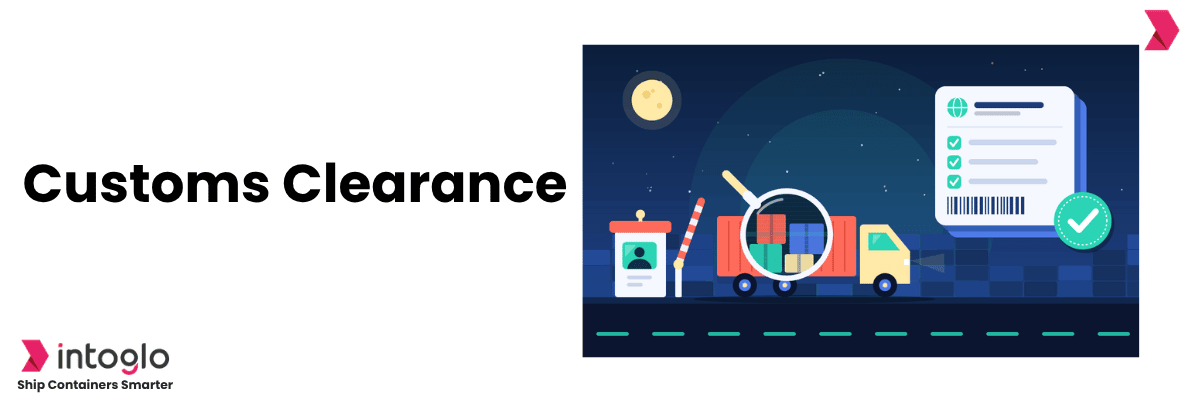
Customs clearance is the process of getting goods approved by customs authorities before they enter or leave a country. It involves submitting shipment details, verifying documents, assessing applicable duties, and meeting regulatory requirements. For Indian exporters shipping to the USA, customs clearance is essential for moving goods legally from the factory to the overseas buyer.
Key Facts About Customs Clearance:
- Every international shipment must meet destination-country customs requirements.
- Incorrect HS codes can lead to duty miscalculations and shipment delays.
- Customs duties vary by product type, value, origin, and destination.
- Missing or inaccurate documents can trigger inspections, penalties, or cargo holds.
- Customs clearance can take hours or several days, depending on shipment complexity and regulatory checks.
What Is Customs Clearance?
Customs clearance is a mandatory border procedure for most international shipments. Customs authorities check whether goods comply with the importing or exporting country’s laws, documentation requirements, and applicable duty rules.
The process has two main stages:
- Export customs clearance: Approval for goods to leave the exporting country.
- Import customs clearance: Approval for goods to enter the destination country.
For example, when an Indian manufacturer ships furniture to a U.S. buyer, the shipment must meet Indian export requirements before departure and U.S. import requirements before release for delivery.

How Does Customs Clearance Work?
The exact procedure depends on the product and destination, but commercial shipments generally follow these steps:
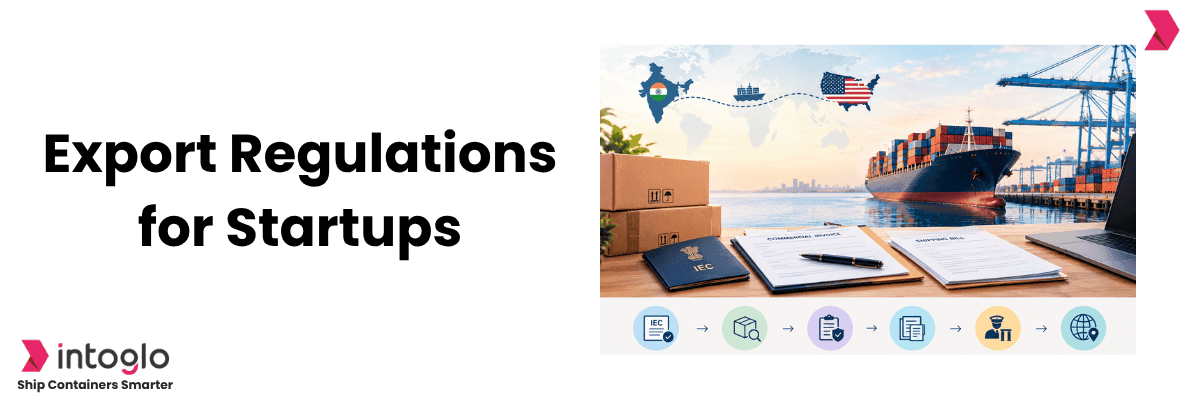
1. Prepare documents: The exporter prepares the commercial invoice, packing list, and other required paperwork.
2. Submit a customs declaration: The exporter or customs broker files the relevant export declaration.
3. Verify shipment details: Customs reviews the product description, value, classification, origin, and supporting documents.
4. Complete inspection if required: Authorities may examine the cargo or request additional information.
5. Assess duties and taxes: Import duties and other applicable charges are calculated.
6. Obtain customs release: Once the required conditions are met, the goods can proceed to the next stage of transport or delivery.
In India, export clearance commonly involves a shipping bill and a Let Export Order. For U.S. imports, the importer of record or authorised customs broker handles the required entry formalities with U.S. Customs and Border Protection (CBP).
Which Documents Are Required?
Common customs clearance documents include:
- Commercial invoice: Shows the goods, transaction value, seller, and buyer.
- Packing list: Records package count, contents, and shipment weights.
- Shipping bill: Supports export clearance in India.
- Bill of lading: Records details of the sea shipment.
- Certificate of origin: Establishes origin where required.
- Permits or product certificates: Apply to certain regulated goods.
Requirements vary by product and destination. Exporters can check Indian export procedures and U.S. customs guidance before shipping.
Why Is Customs Clearance Important?
Customs clearance ensures that shipments comply with trade laws and that authorities can assess applicable duties and restrictions. Without the necessary release, goods may remain under customs control.
Incorrect product descriptions, missing documents, or inaccurate declarations can lead to queries, inspections, penalties, or delays. When containers remain at a port longer than the permitted free time, additional storage, demurrage, or detention costs may also arise.
How Much Does Customs Clearance Cost?
There is no single fee for customs clearance. Costs may include customs broker fees, import duties, taxes, inspections, and other applicable service charges.
The amount depends on the product, customs value, country of origin, tariff classification, and destination requirements. Before confirming a delivered price, exporters should clarify who will handle import clearance and pay the associated costs.
How Intoglo Helps
Intoglo specialises in India-USA FCL shipping, coordinating ocean freight, customs support, U.S. drayage, warehousing, and final delivery. Exporters should confirm product-specific customs requirements and duty liability with their importer or customs broker.
Planning a shipment from India to the USA? Get a quote from Intoglo.
Join the free India-USA Trade Pulse webinar for practical updates on freight rates, tariffs, and customs.
Contact: contact@intoglo.com | +91 84697 08714
Conclusion
Customs clearance allows goods to cross international borders legally. Accurate documentation, correct shipment declarations, and early coordination with customs brokers help exporters reduce avoidable delays and keep shipments moving.
FAQs
1. What does customs clearance mean?
It means obtaining customs approval for goods to enter or leave a country.
2. Who handles customs?
The exporter handles export requirements, while the importer or authorised customs broker generally manages import entry.
3. How long does clearance take?
It varies with documentation, inspections, product regulations, and customs processing.
4. Can custom delays increase shipping costs?
Yes. Delays can lead to storage, demurrage, detention, or other additional charges.