
Quick Overview
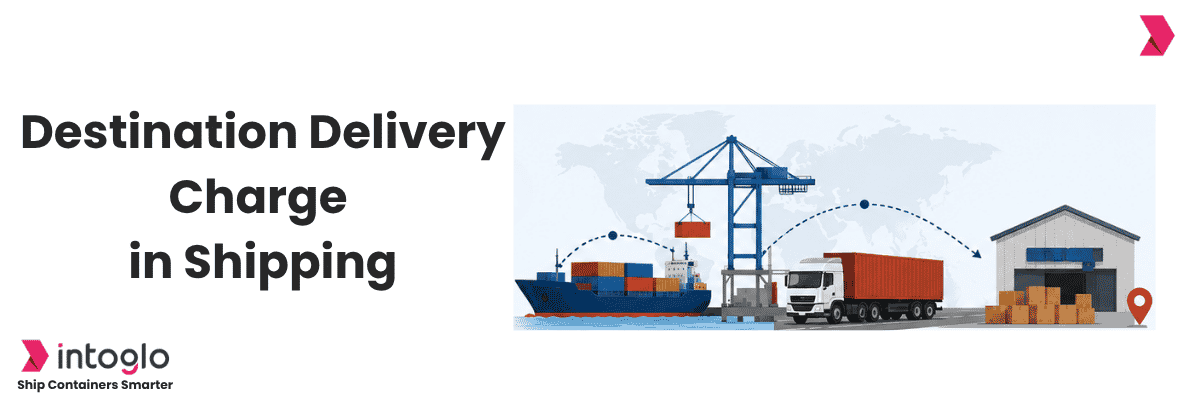
Destination Delivery Charge (DDC) is a destination-side shipping charge that covers the movement of cargo from the arrival port or terminal to the consignee’s final delivery location. It is a common cost in international shipping and can significantly impact the total landed cost of a shipment.
Here are the key things Indian exporters should know about DDC:
- DDC applies after the cargo reaches the destination port.
- It may include terminal handling, inland transport, delivery, security, and storage charges.
- Charges vary based on destination, cargo type, carrier, and delays.
- DDC is usually paid by the importer, depending on the Incoterms.
- Unclear DDC terms can lead to extra costs and buyer disputes.
Understanding DDC helps exporters avoid unexpected charges and plan shipment costs more accurately. Before managing these costs, it is important to understand what DDC means in shipping.
What is DDC in Shipping?
DDC (Destination Delivery Charge) is the fee charged for moving cargo from the destination port or Container Freight Station (CFS) to the consignee’s final delivery address after cargo release.
DDC is usually paid by the consignee (buyer/importer). For India–USA FCL shipments, these charges can significantly affect the total landed cost, especially across multiple containers.
What Does DDC Include?
DDC is not a single charge. It can include several destination-related costs incurred after cargo arrives at the destination port.
| Charge Component | What It Covers |
| Handling Fees | Unloading, sorting, and preparing cargo at the destination port or facility for final delivery. |
| Delivery Fees | Transportation of cargo from the port or CFS to the consignee's final delivery address. |
| Terminal Handling Charges (THC) | Loading, unloading, and use of terminal equipment and facilities at the destination port. |
| Security Surcharge | Cargo screening, inspections, and security-related compliance requirements. |
| Customs Duties and Taxes | Import duties and taxes assessed by customs authorities before cargo release. |
| Storage Fees | Charges incurred when cargo remains at the port or CFS due to clearance delays or late pickup. |
Not all of these charges apply to every shipment. The exact DDC components depend on the carrier, destination, cargo type, and delivery requirements. Always request an itemised breakdown from your logistics provider.
Operational Process of Destination Delivery Charge

DDC follows a standard process from quotation to final delivery, and understanding each step helps exporters avoid unexpected costs at the destination.
1. Quotation: Your shipping provider quotes DDC based on destination, cargo weight, and volume. Get this in writing before you book.
2. Shipment Booking: Once confirmed, DDC terms are locked into your booking.
3. Cargo Arrival: When cargo reaches the destination port, DDC assessment begins.
4. Customs Clearance: All duties and documentation must be settled before the cargo moves further.
5. Inland Transportation: Cargo is transported by truck from the port to the delivery address.
6. Final Delivery: Cargo is handed to the consignee. Any remaining DDC balance is settled at this stage.
What Affects Your DDC Amount?
DDC amounts are not fixed and can vary based on several operational, logistical, and carrier-specific factors affecting your shipment.
- Separate Line Item: DDC appears separately from ocean freight on the invoice. Always check for an itemised breakdown to verify individual charges.
- Destination Location: The farther the final address from the port, the higher the delivery cost.
- Cargo Type: Hazardous goods or oversized freight attract higher handling and security fees.
- Carrier Policies: Each carrier sets its own DDC rates and what is included.
- Storage Delays: If the consignee delays pickup, storage fees accumulate quickly.
How to Manage DDC Efficiently?
DDC can increase shipping costs if not managed properly. Proper planning helps exporters avoid disputes, control landed costs, and compare carrier quotes accurately.
- Transparency: Always request an itemised DDC quote instead of accepting a lump-sum charge. This helps you understand what is included, compare carrier pricing accurately, and avoid unexpected billing issues.
- Documentation Compliance: Ensure customs paperwork, invoices, and compliance documents are complete and error-free to avoid delays, storage fees, or penalties at the destination.
- Risk Management: Port congestion, customs inspections, and delivery delays can increase DDC costs. Keeping a small cost buffer helps manage unexpected expenses more effectively.
- Regulatory Awareness: US customs and security requirements can change frequently. Regularly reviewing compliance updates helps prevent shipment disruptions and clearance delays.
Along with proper planning, choosing the right freight forwarder also plays an important role in managing DDC efficiently. Intoglo helps exporters simplify India–USA shipping with transparent pricing, access to premium shipping lines, updated sailing schedules, and instant freight quotes for better shipment planning and cost visibility.
To explore how Intoglo can help in your India-US FCL shipping, connect with us :
📩 contact@intoglo.com | 📞 +91 84697 08714
Conclusion
Destination Delivery Charge (DDC) directly affects the total landed cost of India–USA shipments. Understanding what DDC includes helps exporters avoid unexpected charges, pricing disputes, and delivery delays. With proper planning, itemised quotes, and the right logistics partner, exporters can keep DDC costs predictable and manageable.
FAQs
Who pays DDC - the exporter or the importer?
DDC is typically paid by the consignee (importer/buyer). However, as an Indian exporter, you should understand these costs to set accurate expectations and avoid disputes with your US buyers.
Is DDC the same as Terminal Handling Charge (THC)?
No, THC is one component within DDC. THC covers port equipment and loading/unloading at the terminal. DDC is broader - it includes THC plus delivery to the final address, handling, security, and sometimes storage.
Why does DDC vary so much between shipments to the USA?
DDC depends on the delivery location within the US, the cargo type, the carrier, and whether any delays trigger storage fees. A shipment to a port city like Los Angeles will cost less in delivery fees than one going to an inland address in the Midwest.
Is DDC included in ocean freight charges?
No, Ocean freight covers transportation between ports, while DDC applies after cargo arrives at the destination port and moves toward the consignee’s final address.
Does DDC apply to both FCL and LCL shipments?
Yes, DDC applies to both FCL and LCL shipments. However, LCL shipments may include additional warehouse handling and cargo consolidation charges.
Which Incoterms usually include DDC responsibility?
Under FOB and CIF terms, the importer usually pays DDC. Under DDP shipments, the exporter is generally responsible for destination delivery costs.
How can exporters reduce high DDC costs?
Exporters can reduce DDC costs by comparing freight quotes, avoiding storage delays, consolidating shipments, choosing suitable ports, and negotiating better carrier rates.