
Quick Overview
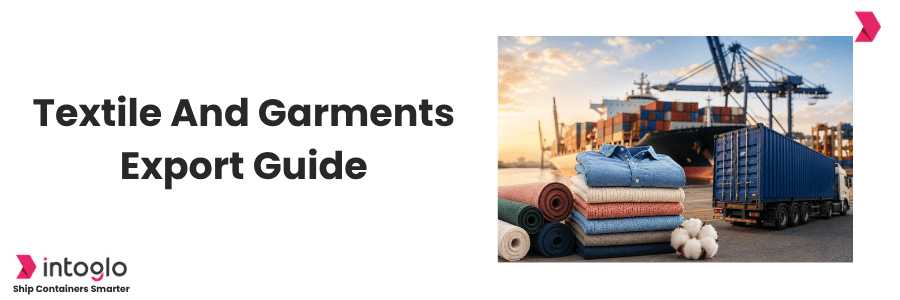
India is among the world's largest textile and garment exporters, supplying cotton, garments, fabrics, carpets, and home textiles to more than 100 countries. If you're planning to export textile products from India, knowing the right HS codes, export markets, documentation, and shipping routes can help you avoid delays and expand globally.
Key facts about Textile and Garment Exports from India:
- India exported $35.99 billion worth of textiles and apparel in FY 2024–25.
- Ready-made garments and cotton textiles remain the country's largest export categories.
- Most textile products fall under HS Chapters 50–63.
- The United States is India's largest textile export destination.
- JNPA, Mundra, Chennai, and Tuticorin are among the leading export gateways.
Textile and Garment Exports at a Glance:
| Metric | Details |
| FY 2024–25 Export Value | US$35.99 Billion |
| Growth (Including Handicrafts) | 5.2% YoY |
| Largest Export Category | Ready-made Garments |
| Top Export Market | United States |
| Major HS Chapters | HS 50–63 |
| Leading Export Ports | JNPA, Mundra, Chennai, Tuticorin |

Why Textiles Drive India's Exports?
India has one of the world's largest integrated textile value chains, from cotton cultivation to finished apparel manufacturing. The industry contributes significantly to manufacturing output, employment, and merchandise exports.
According to the Ministry of Textiles, textile and apparel exports reached US$35.99 billion in FY 2024–25, while total exports including handicrafts stood at US$37.75 billion, reflecting a 5.2% year-on-year increase despite global trade challenges.
Which Textile and Garment Products Does India Export?
India exports a diverse range of textile products across international markets.
| Product Category | HS Chapter |
| Silk | HS 50 |
| Wool & Animal Hair | HS 51 |
| Cotton | HS 52 |
| Man-made Filaments | HS 54 |
| Man-made Staple Fibres | HS 55 |
| Carpets | HS 57 |
| Special Woven Fabrics | HS 58 |
| Technical Textiles | HS 59 |
| Knitted Apparel | HS 61 |
| Woven Apparel | HS 62 |
| Home Textiles & Made-ups | HS 63 |
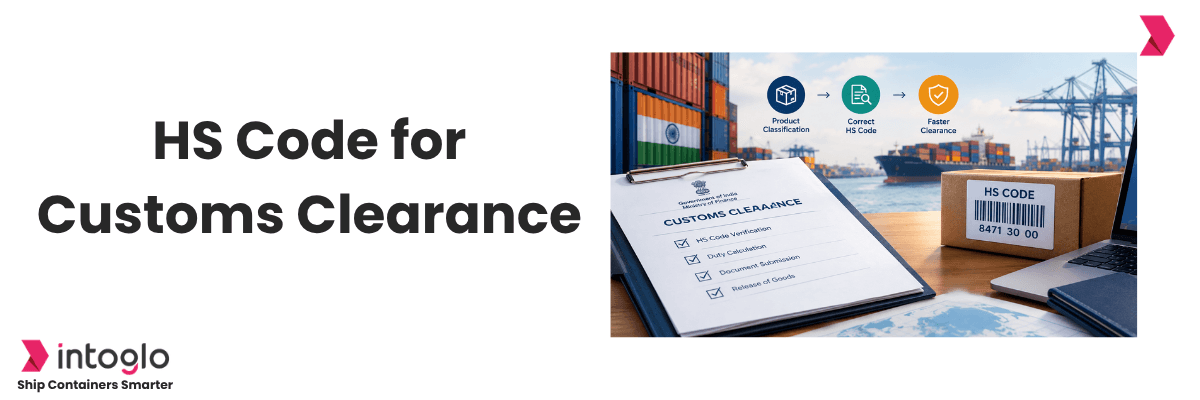
Using the correct HS code helps customs authorities classify goods accurately and reduces the risk of shipment delays.
Textile Products Driving Highest Export Value
Ready-made garments continue to dominate India's textile exports, followed by cotton textiles and man-made textiles.
| Product | FY 2024–25 Export Value |
| Ready-made Garments | US$15.99 Billion |
| Cotton Textiles | US$12.30 Billion |
| Man-made Textiles | US$5.29 Billion |
| Carpets | US$1.54 Billion |
| Silk Products | US$162 Million |
Countries Importing the Most Indian Textiles
The United States remains India's largest textile export market. Other major destinations include the UAE, Germany, the UK, Bangladesh, France, Italy, and Japan.
| Country | Popular Imports | Demand Trend |
| United States | Apparel, Home Textiles | High |
| UAE | Fabrics, Garments | Growing |
| Germany | Home Furnishings | Stable |
| United Kingdom | Cotton Apparel | Moderate |
| Bangladesh | Cotton Yarn | High |
We've also seen exporters diversify into newer markets as buyers look beyond traditional sourcing hubs, creating opportunities for Indian manufacturers.
US Tariff Impact on India Textile Exports
US tariffs on Indian textiles peaked at 50% in 2025, increasing costs for US buyers. Despite this, Indian exports remained resilient as businesses expanded into the UK, EU, and Gulf markets while leveraging RoDTEP and RoSCTL benefits. Exporters shipping to the US should factor tariff volatility into pricing and diversify across multiple markets.
Which Indian Ports Handle Textile Exports?
Most Textile and garment exports move through container ports with strong global connectivity.
| Port | Best For |
| JNPA (Nhava Sheva) | USA & Europe |
| Mundra Port | Global Container Trade |
| Chennai Port | Southeast Asia |
| VOC Port (Tuticorin) | Middle East & Asia |
| Pipavav Port | Europe |
Choosing the right port and shipping schedule can improve transit reliability and reduce logistics costs.
What Documents are Required to Export Textiles?
Prepare these documents before shipping:
| Document | Purpose |
| Import Export Code (IEC) | Mandatory exporter registration |
| Commercial Invoice | Details of the transaction |
| Packing List | Product and package details |
| Shipping Bill | Customs declaration |
| Bill of Lading | Proof of shipment |
| Certificate of Origin | Required for specific trade agreements |
| GST & LUT Documents | Tax compliance |
What Should First-Time Textile Exporters Know?
Before shipping your first international order:
- Confirm the correct HS code.Verify destination-country import regulations.
- Check packaging and labeling requirements.
- Choose the right Incoterm (FOB, CIF, or DDP).
- Book freight early during peak export seasons.
- Work with an experienced freight forwarder.
Proper planning helps reduce customs delays and keeps your supply chain running smoothly.
Exporter Insights
| Insight | Recommendation |
| Best Shipping Mode | Ocean Freight (FCL/LCL) |
| Common Container | 40' High Cube |
| Peak Export Season | August–November |
| Popular Incoterms | FOB, CIF |
| Major Carriers | MSC, Maersk, ONE, CMA CGM, Hapag-Lloyd |
How Intoglo Helps?
Intoglo provides end-to-end digital FCL freight forwarding from India to the USA, with transparent pricing, real-time shipment tracking, customs coordination, and door-to-door delivery.
Planning your next shipment? Get an instant freight quote from Intoglo.
Stay informed with our free India–USA Trade Pulse webinar for the latest freight updates and trade insights.
Need help with India–USA shipping?
📩 contact@intoglo.com 📞 +91 84697 08714
Conclusion
India's textile and garment exports reached $35.99 billion in FY 2024–25, driven by strong demand for ready-made garments, cotton textiles, and man-made fibers. With growing opportunities in the USA, UAE, Germany, and the UK, success depends on using the correct HS code, choosing the right port, and partnering with an experienced freight forwarder.
FAQs
What are India's top textile exports?
India exports ready-made garments, cotton textiles, home textiles, carpets, silk products, and man-made fiber fabrics.
Which HS codes are used for garment exports?
Knitted garments fall under Chapter 61, while woven garments fall under Chapter 62.
Which country imports the most textiles from India?
The United States is India's largest export market for textile and garment products.
Is ocean freight suitable for textile exports?
Yes. Ocean freight, especially FCL, is the most cost-effective option for large textile shipments.
Why is the correct HS code important?
The correct HS code ensures accurate customs clearance, proper duty calculation, and eligibility for export incentive schemes.