Quick Overview
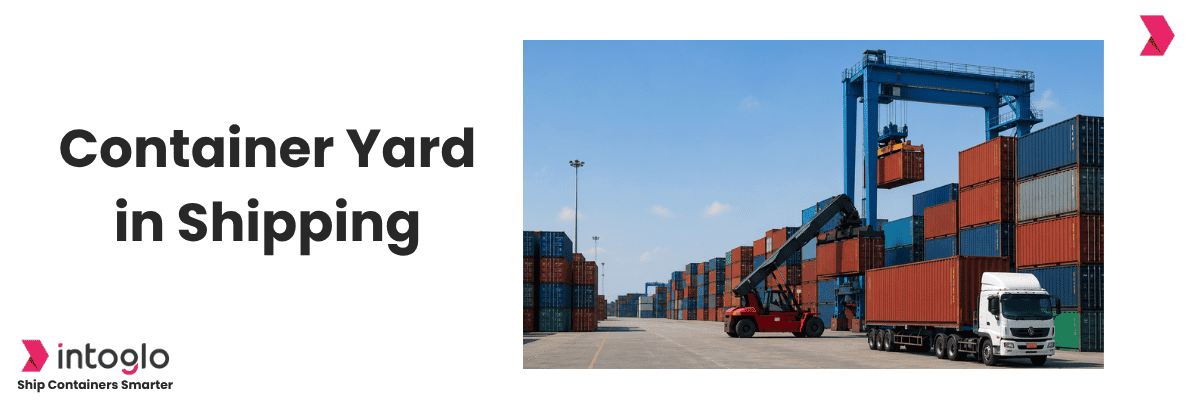
A Container Yard (CY) is a designated area within or near a port where shipping containers are stored before loading onto a vessel or after unloading from a vessel. It serves as a temporary storage and handling facility, helping ports manage container traffic efficiently.
Before understanding container yard operations, it is important to know these key facts:
- A container yard stores both import and export containers.
- CYs help reduce congestion at port terminals.
- Containers are inspected, stacked, and organized within the yard.
- Specialized equipment is used to move and store containers.
- Efficient container yard management improves cargo flow and vessel turnaround times.
- Container yards play a critical role in global supply chains and international trade.
Understanding how container yards operate helps exporters and importers better manage shipping schedules and logistics costs.
What is a Container Yard?
A Container Yard (CY) is a secure storage and handling area where shipping containers are temporarily kept before being loaded onto a vessel or after being discharged from one. These facilities are typically located inside port terminals or in nearby logistics zones.
Container yards serve as an important link between ocean transportation and inland transportation.
Why Container Yards are Important in Shipping?
Modern ports handle thousands of containers every day. A container yard helps manage this volume by providing a dedicated space for storage and handling.
Key benefits include:
- Organizing container traffic within the port.
- Reducing vessel loading and unloading delays.
- Supporting efficient cargo planning.
- Improving utilization of port infrastructure.
- Facilitating smooth movement between ships, trucks, and rail networks.
By serving as staging areas for containers, CYs help maintain a continuous flow of cargo throughout the supply chain.
Key Functions of a Container Yard
Container yards perform several important logistics functions.
| Function | Purpose |
| Storage | Temporary holding of import and export containers. |
| Container Handling | Loading, unloading, and movement of containers. |
| Inspection | Checking container condition and documentation. |
| Container Stacking | Maximizing available storage space. |
| Dispatch Coordination | Preparing containers for pickup or vessel loading. |
These activities help ensure containers move efficiently through the port system.
How Container Yard Operations Work?

Container yard operations efficiently store, track, and move containers between ships and inland transportation.
1. Container Arrival: Containers arrive by truck, rail, or vessel, and the terminal system immediately registers them.
2. Inspection and Verification: Inspectors check the container's condition, seal integrity, and shipping documents before storage.
3. Storage Allocation: The system assigns storage locations based on size, cargo type, destination, and departure schedule.
4. Container Stacking: Specialized equipment stacks the containers to optimize yard space and speed up retrieval.
5. Retrieval and Dispatch: Operators retrieve containers for vessel loading, customs clearance, or onward transportation.
Equipment Used in Container Yards
Container yards rely on specialized equipment to move large and heavy containers safely.
| Equipment | Primary Purpose |
| RTG Cranes | Lifting and stacking containers |
| Reach Stackers | Flexible container handling |
| Forklifts | Cargo and container support operations |
| Prime Movers | Internal container transportation |
| Terminal Tractors | Movement between the yard and the vessel areas |
The use of modern equipment improves productivity and reduces container handling times.
What are the Benefits of Container Yards?
Container yards provide significant operational advantages for shipping lines, exporters, and port operators.
- Better Space Utilization: Containers can be stacked vertically, allowing ports to maximize available land.
- Faster Cargo Movement: Organized storage enables quick retrieval and loading of containers.
- Reduced Port Congestion: Dedicated storage areas keep loading and unloading zones clear.
- Improved Supply Chain Efficiency: Efficient container management helps reduce delays and improve shipment reliability.
- Enhanced Cargo Security: Controlled access, surveillance systems, and inspection procedures help protect cargo while it remains in storage.
Common Challenges in Container Yard Management
Despite their benefits, container yards face several operational challenges.
- Space Constraints: High cargo volumes can create storage shortages during peak shipping seasons.
- Equipment Downtime: Crane or vehicle failures can disrupt container movement and delay operations.
- Container Tracking: Managing thousands of containers requires accurate tracking systems and real-time visibility.
- Traffic Congestion: Large numbers of trucks entering and leaving the yard can affect operational efficiency.
Effective planning and digital management systems help address these challenges.
How Intoglo Supports Efficient Container Movement
Efficient container management is critical for successful international shipping.
Intoglo provides end-to-end digital FCL forwarding from India to the USA, helping exporters manage container transportation, shipment visibility, customs coordination, and destination delivery through a single platform.
By working with shipping lines, customs brokers, and logistics partners, Intoglo helps businesses move containers efficiently while maintaining visibility throughout the shipping process.
Need help with India-USA container shipping? Contact Intoglo:
📩 contact@intoglo.com | 📞 +91 84697 08714
Conclusion
Container yards serve as essential facilities in international shipping, where operators store, handle, and organize containers before loading or after unloading them. They help reduce port congestion, improve cargo movement, and support efficient vessel operations. Effective container yard management enables faster and more reliable movement of goods throughout the supply chain.
FAQs
What does CY mean in shipping?
CY stands for Container Yard, a facility where operators temporarily store containers before loading them onto ships or after unloading them from ships.
What is the main purpose of a container yard?
The primary purpose is to store, organize, and handle shipping containers efficiently within a port or terminal environment.
Are container yards only used for export containers?
No, container yards handle both export containers waiting for shipment and import containers awaiting pickup or delivery.
What equipment is commonly used in container yards?
RTG cranes, reach stackers, forklifts, terminal tractors, and prime movers are commonly used for container handling and transportation.
How do container yards improve shipping efficiency?
They reduce port congestion, improve cargo organization, speed up container handling, and support faster vessel turnaround times.