
Quick Overview
The U.S. Department of Commerce is reviewing 14 additional aluminum, steel, and copper derivative products for possible inclusion under Section 232 tariffs. The list covers products ranging from aluminum powder and electrical cables to fire extinguishers, machinery parts, trailers, and certain filled steel containers. Most products would generally face a proposed 25% tariff, although some categories would receive different rates. The proposal is not yet a final tariff rule.
Key Facts About US Section 232 Tariffs at a Glance:
- 14 derivative product categories are proposed for inclusion.
- Most listed products would generally face a 25% tariff.
- Certain agricultural trailers would generally face a 15% tariff.
- Certain filled steel containers would face 50% on the value of the metal container.
- The proposal specifically identifies the relevant HTSUS classifications.
- BIS is examining the products' aluminum, steel, and copper intensity, import volumes, domestic production, and economic impact.
- Public comments must be received by August 27, 2026, under Docket BIS-2026-0331.
Which Products Are Actually Under Review?
The proposal does not simply target all downstream metal products. BIS has identified 14 specific derivative categories and corresponding HTSUS classifications.
Federal Register Notice 2026-15961
| Product category | HTSUS classification |
| Non-lamellar aluminum powder | 7603.10.0000 |
| Brass-wind musical instruments and parts | 9205.10.0000 / 9209.99.4080 |
| Parts of welding machines and apparatus | 8515.90.2000 |
| Free-standing floor safes | 8303.00.0000 |
| Electric conductor cables | 8544.49.2000 / 8544.49.3040 / 8544.49.3080 / 8544.60.4000 |
| Fire extinguishers | 8424.10.0000 |
| Parts of heat exchange units | 8419.90.3000 |
| Parts of hydraulic engines and motors | 8412.90.9005 |
| Mobile lifting frames and straddle carriers | 8426.12.0000 |
| Certain self-propelled cranes | 8426.41.0090 |
| Tanker trailers and semi-trailers | 8716.31.00 |
| Agricultural self-loading/unloading trailers | 8716.20.00 |
| Other trailers and semi-trailers | 8716.40.00 |
| Certain filled steel containers | Specified chemical HTSUS provisions |
The filled-container category covers containers holding specified propane, oxygen, and propene products.
For exporters, this list matters because product classification determines whether the proposed measure could apply. A commercial product description alone is not enough to determine tariff treatment.

What Rate Would Apply to Each Product?
The proposed framework does not apply one uniform rate across every category.
| Product category | Proposed treatment |
| Most listed derivative articles | 25% |
| Agricultural self-loading/unloading trailers | 15% |
| Certain mobile lifting frames, straddle carriers and cranes | Rates under Proclamation 11032 |
| Specified filled steel containers | 50% on metal-container value |
The agricultural trailer exception is particularly relevant because BIS proposes treating these products as agricultural equipment, placing them under the 15% rate established in Proclamation 11021.
The treatment of filled steel containers is different again. The proposed 50% tariff would apply to the value of the metal container, rather than the value of the chemical inside it.
That distinction can materially change the duty calculation for an importer bringing filled containers into the United States.
How HTSUS Codes Affect Tariffs?
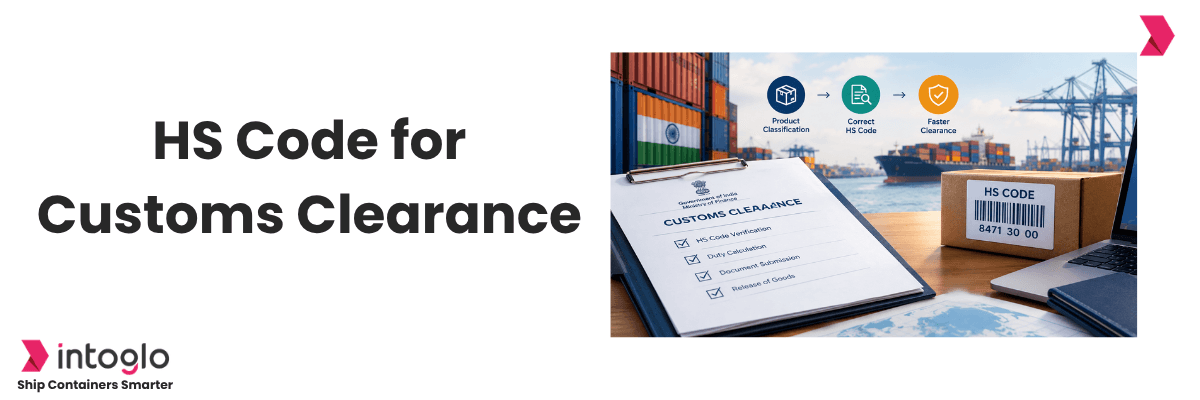
The proposed Section 232 expansion is tied to specific HTSUS classifications, not simply broad product descriptions. That means an exporter cannot determine tariff exposure by looking only at what a product is called on a commercial invoice.
For example, BIS identifies multiple HTSUS provisions for electrical conductor cables. It also separates trailers into categories such as tanker trailers, agricultural trailers, and other trailers, each with its own classification. U.S. International Trade Commission HTS
As a result, two products that appear similar to a buyer may receive different treatment under the US Section 232 Tariffs if they fall under different HTSUS provisions.
What Is BIS Trying to Determine?
BIS is not only asking whether these products contain metal. It is evaluating whether their imports could undermine the objectives of the existing Section 232 measures.
The agency specifically requests information on:
- The aluminum, steel, and copper intensity of each product
- Whether import volumes are large enough to affect national security
- Whether U.S. domestic production can meet demand
- The potential economic effect on U.S. industries
- Other information relevant to including these products within the Section 232 scope
This is important because the proposal is based on a national-security assessment rather than simply a conventional tariff review.
The underlying authority comes from Proclamation 11021, which authorized the Commerce Secretary and U.S. Trade Representative to consider additional derivative aluminum, steel, and copper articles under the Section 232 framework.
BIS Section 232 Program
How Intoglo Helps
For Indian exporters, changing U.S. tariff measures can affect the landed cost of a shipment even when the underlying ocean freight rate remains unchanged.
Intoglo coordinates India-USA FCL freight, documentation, customs coordination, U.S. drayage, and final delivery, helping exporters account for freight and destination costs alongside changing U.S. trade requirements.
Planning your next shipment to the USA? Get a quote from Intoglo.
Stay informed about carrier announcements, freight rates, and trade regulations by joining our free 30-minute monthly India-USA Trade Pulse webinar.
📩 contact@intoglo.com 📞+91 84697 08714
Conclusion
The proposed expansion would bring 14 additional derivative product categories into the U.S. Section 232 review, with proposed tariff treatment ranging from 15% to 50% depending on the product. For exporters, the key issue is not simply the headline tariff rate, but whether the specific product and HTSUS classification fall within the proposed scope.
Before treating these proposed rates as part of a final landed-cost calculation, exporters should distinguish the current Section 232 rules from this proposed expansion and monitor Commerce's final determination.
FAQs
Are these US Section 232 tariffs already effective?
No. The August 6, 2026 notice is a proposal for adding the listed derivative products to the Section 232 tariff scope. It is not itself a final tariff determination.
How many products are under review?
BIS proposes adding 14 derivative product categories covering aluminum, steel, and copper-related products.
Will all 14 products face a 25% tariff?
No. Most would generally receive the proposed 25% rate, but agricultural trailers would generally receive 15%, certain mobile industrial equipment would follow rates under Proclamation 11032, and specified filled steel containers would receive 50% treatment on the metal-container value.
Does the 50% rate apply to the contents of a filled steel container?
No. BIS proposes applying the 50% rate to the value of the metal container, excluding the value of its contents.
Which exporters should pay attention to this proposal?
Manufacturers and exporters of electrical cables, aluminum powder, fire extinguishers, machinery parts, trailers, cranes, floor safes, and specified steel containers should review their U.S. product classifications against the proposed list.
When is the comment deadline?
Comments must be received by August 27, 2026. The Federal Register notice identifies BIS-2026-0331 as the Regulations.gov docket.