Quick Overview
A Master Bill of Lading plays a key role in international shipping by confirming shipment and setting transport terms. It is also required for cargo release at the destination. This article explains what an MBL is, its role in the shipping process, key details, how to complete it correctly, and common mistakes to avoid for smooth shipment handling.
You book a shipment. The container is loaded. The vessel sails. But who legally controls your cargo between India - USA?
The answer is the Master Bill of Lading. This document is issued by the shipping line and governs the carrier's legal responsibility for your goods. Understanding the MBL helps you protect your cargo, ensure timely payment, and avoid costly delays at US ports.
What is a Master Bill of Lading (MBL)?
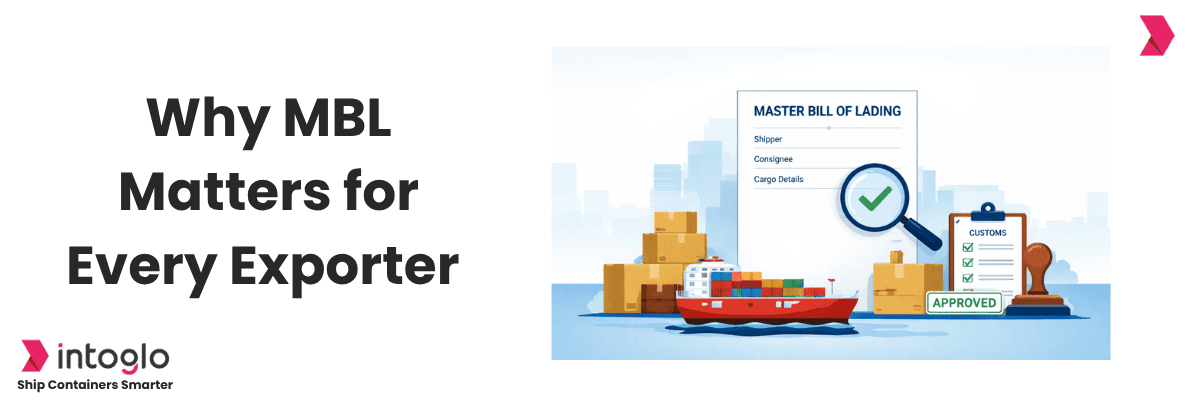
A Master Bill of Lading (MBL) is a document issued by the shipping line (carrier) to the freight forwarder. It confirms that the carrier has received the goods and will transport them to the agreed destination. Think of it as the backbone of your entire shipment.
The MBL performs three simultaneous functions:
- Contract of Carriage: A legal agreement between the carrier and the freight forwarder. It clearly states how the goods will be transported.
- Receipt of Goods: It works as proof that the carrier has received the cargo in the correct quantity and condition.
- Document of Title: It shows ownership of the goods. The person who holds the original MBL can claim the cargo at the destination.
What Information is Included in MBL?

A Master Bill of Lading contains key information needed to identify the shipment and ensure smooth delivery. Every field matters. An error in any one of them can hold up your cargo.
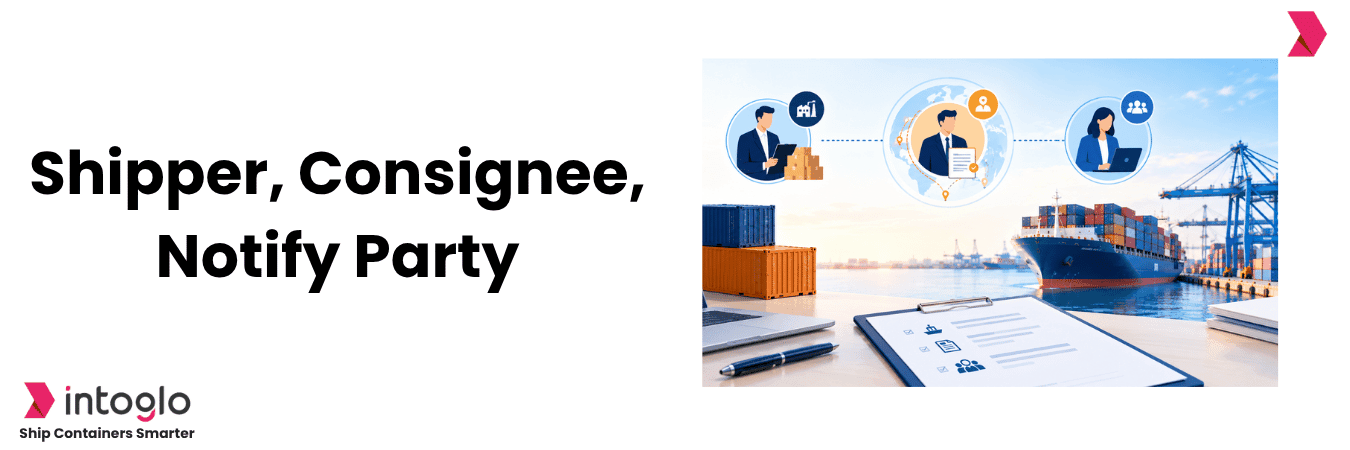
- Shipper details: Name and address of the sender - that's you, the exporter.
- Consignee details: Name and address of the receiver at the destination.
- Notify party: The person or company to be informed when the cargo arrives.
- Cargo description: Type of goods, weight, volume, and packaging method.
- Port of loading and discharge: Where the goods are shipped from and where they are delivered.
- Freight terms and charges: Payment details and all applicable shipping costs.
- Carrier's signature and stamp: Confirms the document is valid and legally binding.
How Does MBL Work in the Shipping Process?
The MBL is used at every stage of the shipment - from pickup to final delivery. Here is how it moves through the process:
1. Proof of cargo receipt: When the carrier picks up the goods, the MBL confirms the cargo has been received in good condition and the correct quantity. This protects you in any dispute.
2. Legal transport contract: The MBL sets the terms for how the goods will be transported. It clearly defines the responsibilities of the carrier - including liability for damage.
3. Cargo release at destination: At the destination port, the MBL is required to release the goods. Without it, the consignee cannot claim the shipment. No MBL, no delivery.
4. Supports customs clearance: The MBL provides important shipment details to customs authorities, helping them verify and clear the cargo quickly.
What are the Responsibilities of the Carrier?

A carrier is the shipping line or transport company responsible for physically moving goods from the origin to the destination. They are responsible for ensuring the safe and proper delivery of the shipment.
- Safe transportation of goods: The carrier is responsible for protecting cargo from damage, loss, or mishandling during transit.
- Timely delivery: The carrier must ensure the shipment moves according to schedule and reaches the destination on time.
- Regulatory compliance: The carrier must adhere to international shipping regulations, customs requirements, and port rules.
- Cargo handling and coordination: The carrier oversees loading, unloading, and coordination between ports and transport points throughout the journey.
How to Fill Out a Master Bill of Lading?
Filling out the MBL correctly is non-negotiable. Errors cause delays, additional charges, and in worst cases, cargo stuck at the port. Follow these steps precisely:
1. Enter shipper and consignee details: Add the correct legal names and full addresses of both the sender and receiver. Abbreviations and nicknames create problems.
2. Add accurate cargo description: Include the type of goods, total weight, volume, number of packages, and packaging method. Match this exactly with your packing list.
3. Mention correct ports: Clearly state the port of loading and port of discharge. One wrong port code can reroute your entire shipment.
4. Include freight and payment terms: Specify who pays the freight - shipper or consignee - and include all charges. Prepaid or collect must be clearly stated.
5. Verify all details: Cross-check every field against your commercial invoice, packing list, and LC terms before the carrier signs. This is your last chance to catch mistakes.
Common Mistakes to Avoid in MBL
Errors in the Master Bill of Lading can cause delays and issues in shipment.
- Incorrect consignee details: Wrong name or address can delay cargo release.
- Mismatch with invoice or packing list: Details must match all shipping documents.
- Wrong port information: Incorrect ports can lead to routing problems.
- Missing or incomplete signatures: Makes the document invalid.
At Intoglo, we specialise in India-USA freight forwarding. Our team reviews and coordinates every MBL to ensure your shipment details are accurate, matched with all supporting documents, and compliant with US customs requirements. We handle the complexity so you can focus on your business.
Contact Intoglo to manage your next shipment with confidence.
📩 contact@intoglo.com | 📞 +91 84697 08714
Conclusion
The Master Bill of Lading is not just paperwork - it is the legal foundation of your entire shipment. Get it right, and your goods move smoothly from India to the USA. Get it wrong, and you face delays, fines, and frustrated buyers. As an Indian exporter, understanding the MBL gives you better control over your logistics - and a stronger position with your overseas customers.
FAQs
Can an Indian exporter get the MBL released directly from the carrier?
Generally, no. In most cases, the freight forwarder receives the MBL from the carrier and then issues a House Bill of Lading to the exporter. Only in direct FCL (Full Container Load) bookings made directly with the carrier does the shipper receive the MBL. Your freight forwarder will advise on the best approach for your shipment.
How many originals of the MBL are issued, and why does it matter?
Typically, 3 original copies of the MBL are issued. Any one of these originals can be used to claim the cargo at the destination. This is why originals must be handled with extreme care; losing them can cause serious delays and legal complications.
What happens if there is an error on the MBL after the vessel has sailed?
Correcting an MBL after the vessel has sailed is possible, but involves issuing a Letter of Indemnity (LOI) or an amended Bill of Lading - both of which take time and can attract fees from the shipping line. It is far better to verify all details before the cargo is loaded. Working with Intoglo means you have a dedicated team double-checking every detail to prevent costly amendments.
Can a Master Bill of Lading be transferred to another party?
Yes, the original MBL can be endorsed or transferred to another party. This is important for transferring ownership of the cargo while it is in transit.
How long is an MBL valid?
An MBL remains valid until the cargo is delivered and claimed by the consignee. Some carriers also specify a validity period for claims or endorsements.