
Quick Overview
To export plastic products from India successfully, businesses must complete valid registrations, verify correct HS classifications, and comply strictly with destination-country rules.
Indian exporters must obtain an Importer Exporter Code and verify product-specific rules before accepting overseas orders.
For US-bound shipments, products must meet FDA food-contact standards and electronic CPSC certificate filing requirements.
Key facts about how to export plastic products from India at a glance:
- Importer Exporter Codes are issued online by the DGFT.
- Export customs declarations require filing an electronic Shipping Bill with the (CBIC).
- Plastic packaging manufacturers must maintain environmental registration on India's Common Extended Producer Responsibility Portal.
- Food-contact plastic items require strict material safety authorization from the (FDA).
- Regulated consumer plastic goods must submit electronic compliance certificates to the (CPSC).
- Commercial import entries and origin markings are inspected at port gate-in by (CBP).
Material Categories and Application Types
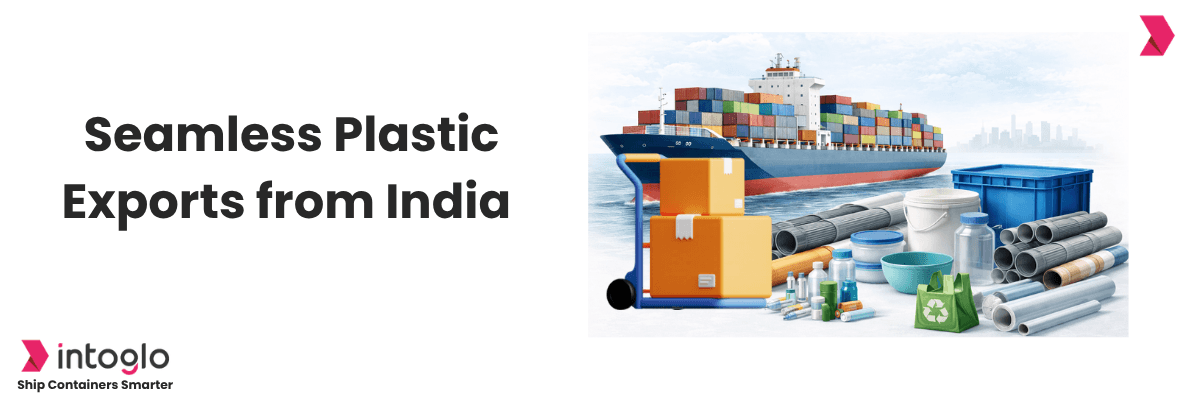
Plastic products span multiple industrial, commercial, and household categories under Indian export policy.
Exporters must identify exact material composition and end-use applications before declaring custom tariffs because compliance rules vary by application, choosing broad generic descriptions causes customs delays.
| Product Category | Typical Commercial Applications | Primary Compliance Focus |
|---|---|---|
| Plastic Packaging | Bags, pouches, films, & containers | Indian EPR registration & material thickness |
| Food-Contact Items | Kitchenware, bottles, & food trays | FDA food additive & resin safety clearance |
| Industrial Goods | Auto fittings, pipes, & machine parts | Material strength specs & industrial standards |
| Consumer Products | Toys, organizers, & housewares | CPSC safety testing & lead limits |

Step-by-Step Export Compliance Framework
Successful export execution requires systematic verification across Indian origin rules and US destination requirements.
Exporters should review manufacturing input rules when shipping specialized categories like auto parts to the USA.
In addition, exporters must verify destination clearance steps using our guide to US customs requirements.
| Export Process Step | Mandatory Operational Action | Primary Authority |
|---|---|---|
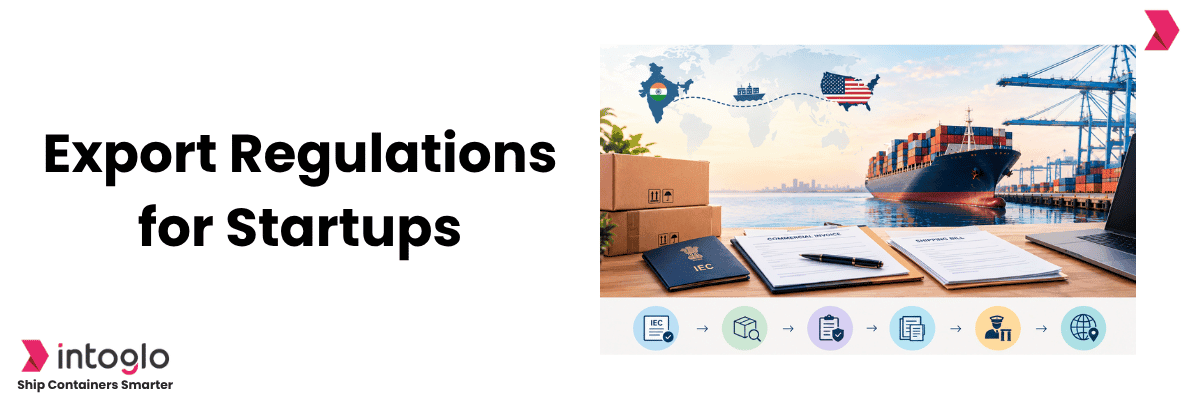
| 1. IEC & Policy Check | Verify active IEC status & ITC (HS) export policy | DGFT |
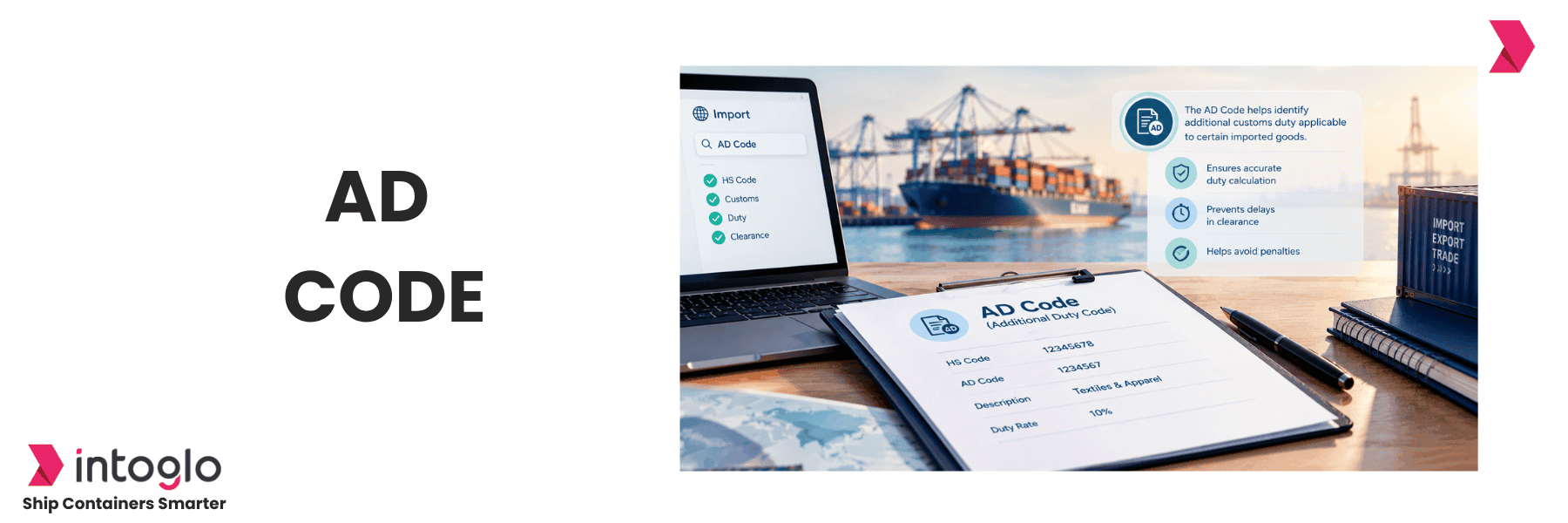
| 2. HS Code Classification | Confirm material composition & 8-digit tariff code | Indian Customs / CBIC |
| 3. Domestic Compliance | Register under Plastic Waste Management rules | Central Pollution Control Board |
| 4. US Market Entry | File electronic CPSC filings & FDA certifications | US CBP / FDA |
Export Documentation and Freight Optimization
Preparing accurate shipping documents prevents border clearance holds and expensive container storage fees.
In addition, plastic items are lightweight but bulky, making container cubic space optimization essential.
Maximized pallet layout and carton sizing reduce total ocean freight costs per unit.
| Shipping Document | Core Purpose in Export Process | Required Issuing Party |
|---|---|---|
| Shipping Bill | Official electronic customs export declaration | Exporter / Customs Broker |
| Commercial Invoice | Details product pricing, HS codes, & trade terms | Indian Exporter |
| Bill of Lading | Acts as contract of carriage & title document | Ocean Freight Forwarder |
| Certificate of Origin | Validates product origin for tariff treatment | Export Inspection Council / Chamber |
Challenges and Solutions
| Export Operational Challenge | Strategic Logistics Solution |
|---|---|
| Customs holds from incorrect HS code declarations | Confirm material resin codes with certified customs brokers before shipping. |
| Border rejection of food-contact plastic containers | Test resin formulations in FDA-certified laboratories prior to export. |
| High transport costs on lightweight, bulky plastic items | Optimize carton dimensions to maximize container cubic space utilization. |
How Intoglo Helps
Intoglo handles end-to-end FCL freight forwarding from India to the USA — container transportation, customs coordination, documentation, and final delivery, all through one platform with transparent pricing and real-time tracking.
Planning your next shipment to the USA? Get a quote from Intoglo.
Stay informed about carrier announcements, freight rates, and trade regulations by joining our free 30-minute monthly India-USA Trade Pulse webinar.
📩 contact@intoglo.com 📞 +91 84697 08714
Conclusion
To export plastic products from India successfully, businesses must balance domestic export filings with US regulatory compliance. Verifying IEC registration, HTS codes, FDA standards, and CPSC electronic filings prevents unexpected border delays. By optimizing container loading space and calculating true landed costs early, Indian exporters can build profitable supply chains across US markets throughout 2026.
FAQs
What documents are required to export plastic products from India?
You need an Importer Exporter Code, Commercial Invoice, Packing List, Shipping Bill, Bill of Lading, and Certificate of Origin.
Do food-contact plastic items require FDA approval for the USA?
Yes. Plastic containers, packaging, and utensils touching food must meet strict US FDA food additive and resin safety standards.
How does Extended Producer Responsibility apply to Indian plastic exporters?
Plastic packaging manufacturers must register on India's Common EPR portal to comply with domestic Plastic Waste Management rules.
What is the best shipping method for plastic products to the USA?
Full Container Load (FCL) ocean freight is usually most cost-effective for high-volume, lightweight plastic products.
Why is accurate HS code classification critical for plastic exports?
Correct HS codes determine applicable export incentives, import tariffs, customs duties, and mandatory product safety regulations.