Quick Overview
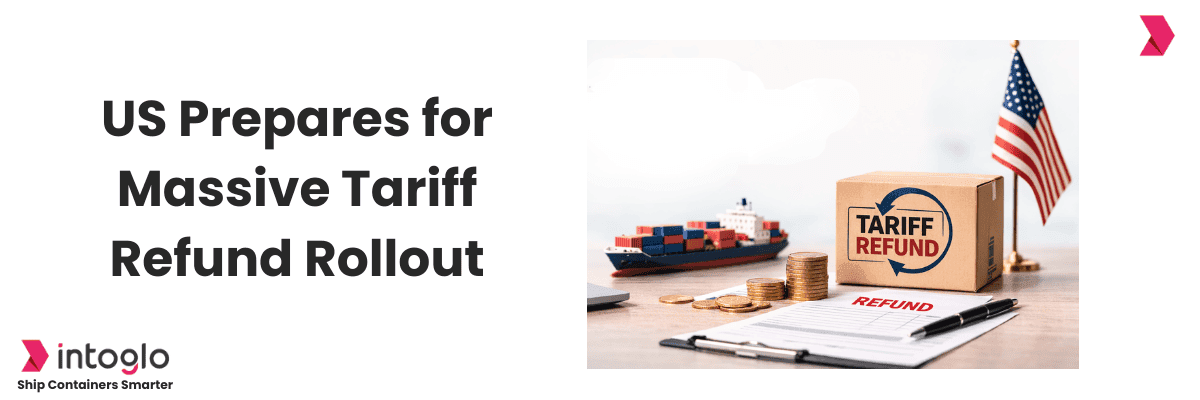
The US is initiating a structured refund process for IEEPA tariffs, supported by a new automated system. CBP is developing CAPE within ACE to handle bulk refunds, but out of 330,000+ importers who paid these duties, only 21,423 have completed the required ACE setup so far. Without ACH details, refunds cannot be processed. This article explains the system, eligibility, and key actions needed before rollout.
The Supreme Court of the United States ruled that tariffs under the International Emergency Economic Powers Act (IEEPA) were invalid, leading to their removal.
Introduced during Donald Trump’s presidency, these tariffs are now eligible for refunds, which will be managed by U.S. Customs and Border Protection. For Indian exporters, this is important - if your US importer paid IEEPA duties on your shipments, they may now be eligible to claim refunds.
Read our detailed article to understand the end of IEEPA tariffs and how it impacts Indian trade: US Supreme Court Ends IEEPA Tariffs - What Changes for Indian Trade?
Who is Eligible to Receive the Refund?
Refunds will be issued to the entity that actually paid the duty, typically the Importer of Record (IOR). This could be either a U.S. importer or an Indian entity, depending on who made the payment.
The key requirement is that the customs bond and importer setup must match the entity claiming the refund, as any mismatch can lead to delays or rejection of the claim.
Why CBP is Building a New Refund System?

CBP has confirmed that its current systems cannot handle IEEPA refunds at this scale. A large gap between the number of importers who paid these duties and those who have completed the required setup highlights the need for a more efficient, automated process.
- Over 330,000 importers paid IEEPA duties.
- Only 21,423 have completed the required electronic setup.
- Over 308,000 importers risk missing refunds if they do not act.
To address this, CBP is building CAPE (Consolidated Administration and Processing of Entries) within the ACE system to streamline and automate the refund process.
- Bulk processing of refund claims.
- Automated validation and payment processing.
- Consolidated refunds at the importer level.
- Expected readiness: ~45 days
- Estimated rollout: mid-April 2026
Automation is essential, as manually reviewing millions of entries would take millions of hours.
What Actions Should You Take to Prepare for Refund Claims?
Even though thousands of importers are eligible for refunds, only a small percentage have completed the required system setup. CBP cannot issue refunds without ACH (Automated Clearing House) banking details and proper ACE setup, which could delay payments significantly if not addressed early.
Immediate Steps to Take
1. Confirm your email on Form 5106: Ensure your importer record (Form 5106) has the correct email address, as CBP will use this for all communication.
2. Request an ACE Portal account: Complete the account request form at: ace-accounts.cbp.gov/s/importer-form if you do not already have access.
3. Add ACH refund information: Log in to ACE → Accounts → Importer → Select Company → ACH Refund Authorization. Enter your banking details and click “Get Info/Refresh.”
Browser tip: Use Microsoft Edge for better compatibility and smoother navigation within the ACE portal.
Checklist for Exporters
Ensure your importer has completed all required steps to be ready for the CAPE refund process:
- Confirm your importer record (Form 5106) has the correct email on file.
- Ensure your ACE Portal account is active.
- Complete ACH refund authorization in ACE.
- Prepare entry summary data for the upcoming CAPE CSV upload.
- Monitor the CBP website and Federal Register for CAPE go-live notification.
Impact on India–USA Shipments
For Indian exporters who shipped during the high-tariff period, this refund process offers an opportunity to recover costs and improve margins, especially in heavily impacted sectors. Exporters who paused shipments should coordinate with US buyers to ensure importer records are in order, as buyer confidence is likely to improve once refunds are confirmed and processed.
Intoglo continues to monitor court developments and CAPE system updates. Our team can support exporters and importers with ACE setup, entry documentation, and refund claim preparation
For any queries, you can reach out to our team for assistance.
📩 contact@intoglo.com | 📞 +91 84697 08714
Conclusion
The US government’s decision to refund IEEPA tariffs marks a major shift in trade policy enforcement. With billions at stake, CBP’s new automated system will play a crucial role in ensuring a structured and transparent refund process. Businesses that complete the required setup and keep their documentation ready will be better prepared to claim refunds without delays.
FAQs
Who can receive the IEEPA refund - the Indian exporter or the US importer?
Either entity can receive the refund, provided they were the one who actually paid the duty. The key is that the customs bond and importer of record must be aligned with the entity filing the claim.
What happens if the importer of record is no longer active?
If the original importer is inactive, refund eligibility will depend on who legally paid the duty and whether documentation supports the claim.
Is there a deadline to claim IEEPA tariff refunds?
CBP has not announced a final deadline yet, but timelines may depend on system rollout and legal procedures. Early preparation is recommended.
What is CAPE, and when does it go live?
CAPE (Customs Automated Processing Engine) is a new refund workflow being built by CBP inside the ACE system to process IEEPA refund claims in bulk via CSV upload. It is expected to go live around mid-April 2026.
What happens if I don't set up ACH before CAPE goes live?
CBP cannot issue refunds without ACH banking details on file. If ACH is not set up when CAPE processes claims, your refund will not be disbursed. Set it up immediately at ace-accounts.cbp.gov/s/importer-form.
Can exporters claim refunds if duties were paid by their US importers?
No, refunds are issued to the entity that paid the duty. Exporters can only claim if they were the Importer of Record (IOR).