
Quick Overview
A Flag of Convenience (FOC) allows shipowners to register vessels in a country other than their own to reduce costs and operate more flexibly. This article explains what FOC means, why shipowners use it, the types of ship registries, and the top countries dominating global ship registration. It covers the history, benefits, and practical aspects of FOCs in international shipping.
In international shipping, the country where a ship is registered determines the rules it must follow. Many shipping companies choose registration options that help them operate more efficiently and remain competitive in global trade.
This system has become a major part of modern maritime operations and influences how a large share of the world’s fleet is managed.
What is a Flag of Convenience?
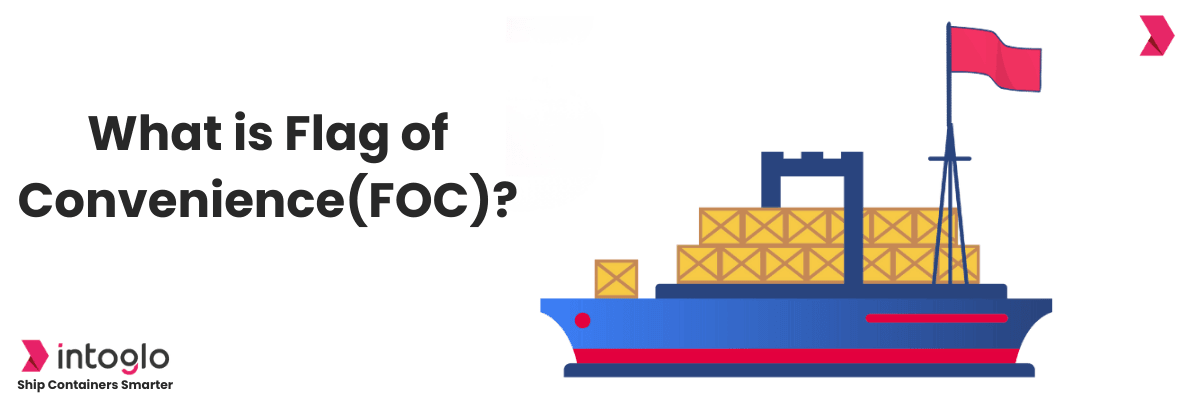
A Flag of Convenience (FOC) refers to the practice of registering a ship in a country other than the owner’s home country to benefit from favorable regulations, tax policies, or operating conditions.
Every vessel must be officially registered with a country, known as the flag state. The flag state is legally responsible for regulating the ship, ensuring it follows maritime safety rules, labour standards, and environmental laws. The ship then sails under that country’s flag.
Ship registration works much like vehicle registration. Once registered, the vessel receives official documentation and is subject to the laws of that flag state, regardless of where it operates globally.
History of FOC
The Flag of Convenience system began in the early 20th century when shipowners sought to reduce high taxes and strict labour regulations in their home countries.
To cut costs, they started registering vessels in foreign countries offering lower taxes and fewer restrictions.
This led to the growth of open registries, where nations actively allowed foreign-owned ships to register under their flag, expanding the FOC system worldwide.
Why Do Shipowners Choose a Flag of Convenience?
Shipowners use a Flag of Convenience to cut costs and gain flexibility, benefiting from financial and administrative advantages in open registry countries.
- Tax Advantages: Many FOC countries provide low or zero taxes on shipping income. This significantly reduces overall operating expenses and improves profitability.
- Flexible Labour Laws: Open registries often allow shipowners to hire international crew under more flexible labour frameworks. This helps control wage costs and simplifies employment regulations.
- Lower Operational Costs: FOC states generally have fewer regulatory burdens and compliance requirements, reducing administrative and maintenance expenses.
- Simplified Registration Process: Registration under an open registry is usually faster and less complex than in closed national registries, allowing companies to manage fleets efficiently.
Types of Ship Registration: Open vs Closed
Ship registries determine which country a vessel is legally connected to and which laws it must follow, making the difference between open and closed registries important in global shipping.
| Feature | National (Closed) Registry | Open Registry |
| Who can register | Only ships owned by citizens or domestic companies | Ships owned by foreign companies can register |
| Regulations | Stricter safety, labour, and environmental rules | More flexible rules |
| Taxes | Usually higher taxes | Lower or minimal taxes |
| Operating costs | Higher compliance and administrative costs | Lower overall operating costs |
| Registration process | More detailed and time-consuming | Faster and simpler |
Top Flag of Convenience Countries
Three countries dominate global ship registration under the Flag of Convenience system due to their large open registries, tax benefits, and efficient administration.
1. Panama: Panama has the largest ship registry in the world by number of vessels. It offers low taxes, simplified procedures, and minimal nationality restrictions.
2. Liberia: Liberia is one of the largest registries by deadweight tonnage (DWT). It is widely chosen for bulk carriers and tankers due to its cost-effective structure and strong global presence.
3. Marshall Islands: The Marshall Islands ranks among the top three global registries. It is known for efficient services, regulatory credibility, and competitive registration policies.
These three flags represent about 40-45% of the global merchant fleet. They allow foreign ownership, offer lower taxes, and have faster, simpler registration, making them widely used in international shipping.
For seamless India-to-USA container shipping, Intoglo specializes in door-to-door FCL shipments, warehousing, trucking, and customs clearance.
With an updated India-USA sailing schedule and instant quotes, we make international shipping simple, fast, and reliable.
Looking for details on India–USA FCL shipping or delivery timelines?
📩 contact@intoglo.com | 📞 +91 84697 08714
Conclusion
The Flag of Convenience system explains how ships can be registered outside the owner’s home country to benefit from cost and regulatory advantages. It has shaped modern ship registration practices and influenced how a large portion of the global fleet operates today.
FAQs
Can any ship register under a Flag of Convenience?
Not all ships can register under any FOC. The ship must meet the registration requirements of the chosen flag state, including safety standards, ownership documentation, and payment of registration fees.
Are ships under FOC safe to operate?
Yes, most FOC-registered ships follow international safety standards. However, compliance depends on both the flag state and inspections by Port State Control authorities.
Do FOC ships pay taxes in their operating countries?
Generally, FOC ships pay taxes according to the flag state’s rules, not the country where they operate. This is why shipowners often register in countries with low or zero taxes.
Are there international laws regulating FOC ships?
Yes, international conventions like UNCLOS and regulations by the IMO set global standards for safety, environmental protection, and labor conditions for ships, including FOC vessels.
How does FOC affect the crew?
FOC registration allows shipowners to hire international crews, often at lower wages. While it provides flexibility, it can raise concerns about working conditions and labor rights if not properly regulated.
Can a ship change its flag from one country to another?
Yes, ships can change registration to a different flag state. This is called “reflagging” and is often done to reduce taxes, comply with new regulations, or access specific trade routes.
How do FOCs impact global trade?
By reducing operating costs and providing flexibility, FOCs help shipowners maintain competitive freight rates, supporting smoother international trade.