Quick Overview
A Container Release Order (CRO) is part of the container pickup process in export shipping and confirms that the shipment is cleared for the next stage of movement. This article explains what CRO means in shipping, when it is issued, the step-by-step process, the key elements of the document, and how effective CRO management helps exporters avoid delays and additional charges.
International shipping relies on accurate documentation to keep cargo moving smoothly. From booking to vessel departure, each step requires approval and verified paperwork. A container cannot be picked up from a port or depot without the carrier’s official release. Clear release procedures help avoid delays and keep shipments on schedule.
What is a Container Release Order (CRO)?
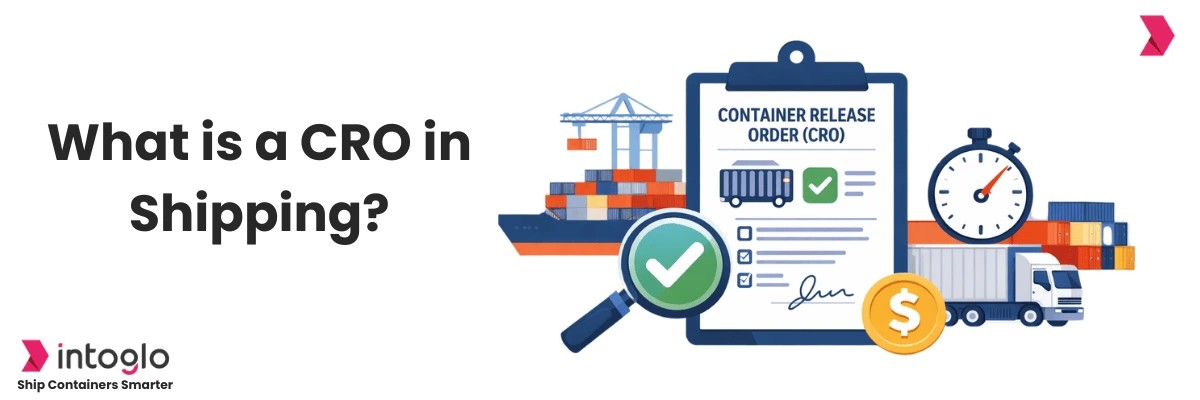
A Container Release Order (CRO) is an official shipping document that authorizes the pickup of a container from a port, terminal, or depot. It is issued by the shipping line or a freight forwarder after required payments and documentation are completed.
The CRO is used by the shipper, consignee, or trucker to collect the container. Without this release authorization, the container cannot leave the terminal.
In export shipments, an ECRO (Empty Container Release Order) allows the pickup of an empty container for loading goods.
When is CRO Issued?

A Container Release Order is issued during the middle stage of the shipping process.
It is not given at the time of booking, and it is not the final document either. It comes after certain checks and payments are completed.
1. Booking Confirmation: The shipper first books space with the shipping line. Once the booking is confirmed, the carrier provides a booking number and shipment details.
2. Container Allocation: After confirming the booking, the shipping line assigns a specific container. The size and type, such as 20-foot or 40-foot, are decided based on the cargo requirement.
3. Payment & Documentation: Before releasing the container, the shipping line ensures that the required charges are paid. Important shipping and customs documents must also be submitted and verified.
4. Issuance of CRO: Once payments and documents are cleared, the shipping line issues the Container Release Order. This document officially approves the release of the container.
5. Container Pickup: The trucker or haulier presents the CRO at the port or depot. After verification, the container is handed over for loading or delivery.
6. Shipment Departure: After the goods are loaded and the container is returned to the port, it is prepared for departure on the scheduled vessel.
This structured process ensures that containers are released only after proper checks. It helps avoid confusion, delays, and unnecessary costs during shipment.
Key Elements of a Container Release Order

A Container Release Order includes important shipment details. These details help the port, shipper, and trucker handle the container correctly.
- Booking Number: A unique reference number linked to the shipment. It helps track and manage the booking.
- Vessel & Voyage: The name of the ship and its voyage number. This shows which vessel will carry the container.
- Container Number(s): The specific number assigned to each container. This ensures the correct container is released.
- ETD / ETA: ETD is the expected departure date. ETA is the expected arrival date at the destination port.
- Origin & Destination Port: The port where the container is loaded and the port where it will be unloaded.
- Equipment Type: Details about the container size and type, such as 20-foot or 40-foot.
- Trucker Details: The name of the transport company authorized to collect the container.
- Carrier Remarks: Special notes from the shipping line, such as clearance status or free storage days.
- Authorized Signature: The name or signature of the shipping line or freight forwarder approving the release.
How CRO Helps Exporters?
A Container Release Order plays a key role in smooth export shipments. It ensures containers are picked up, loaded, and moved without delays.
- Avoid delays in container pickup from the depot.
- Reduce the risk of extra port charges and demurrage.
- Keep shipment timelines clear and predictable.
- Ensure smooth coordination between the shipper, carrier, and trucker.
- Maintain proper documentation for customs and port checks.
Handling CROs and export paperwork can be difficult without expert support. Small errors in documentation or timing can lead to delays and added costs.
This is where freight forwarders like Intoglo make a difference. They manage booking, documentation, and container release in one place. With updated sailing schedules, instant freight quotes, and end-to-end coordination, Intoglo helps exporters plan better and ship with confidence from India to the USA.
Need help with your shipment? Reach out to Intoglo:
📩 contact@intoglo.com | 📞 +91 84697 08714
Conclusion
A Container Release Order helps prevent pickup delays by ensuring payments and documents are cleared before a container leaves the port or depot. It is essential in export shipments to keep timelines clear and avoid extra charges. Proper CRO management supports smooth cargo movement, and working with an experienced logistics partner can make the process more efficient.
FAQs
Is a CRO required for both export and import shipments?
Yes, a CRO is commonly required in export shipments for container pickup. In import shipments, a similar release authorization is needed before the consignee can collect the container from the port or terminal.
What is the difference between CRO and Delivery Order (DO)?
A CRO allows the pickup of a container from a port or depot. A Delivery Order (DO) is issued to release cargo to the consignee at the destination after freight and other charges are settled. Both are release documents, but they are used at different stages of the shipment process.
Who is responsible for arranging the CRO?
Usually, the shipper or their freight forwarder coordinates with the shipping line to obtain the CRO. In many cases, freight forwarders handle this process to avoid delays and documentation errors.
Can a container be picked up without a printed CRO copy?
This depends on the port and shipping line. Some locations accept digital copies, while others may require a printed or system-verified release confirmation. It is always best to confirm the format accepted at the specific port.
What happens if there is an error in the CRO details?
Incorrect details such as container number, trucker name, or port information can delay pickup. The shipping line must issue a corrected CRO before the container can be released.
Why is timely CRO collection important for exporters?
Delayed container pickup can affect loading schedules, miss vessel cut-off times, and lead to additional storage or demurrage charges. Timely CRO processing helps maintain shipment timelines.