Quick Overview
MBL and HBL play different roles in the same shipment, and confusion between them can lead to delays, documentation errors, and payment issues. This article explains the key differences between MBL and HBL, how they work together, when to use each, and how exporters can avoid common risks.
Every FCL shipment from India to the USA involves two Bills of Lading - MBL and HBL. While they may look similar, they serve different roles in the logistics chain. Understanding the difference is crucial, as it impacts customs clearance, LC payments, and legal responsibility.
What Are MBL & HBL in Shipping?
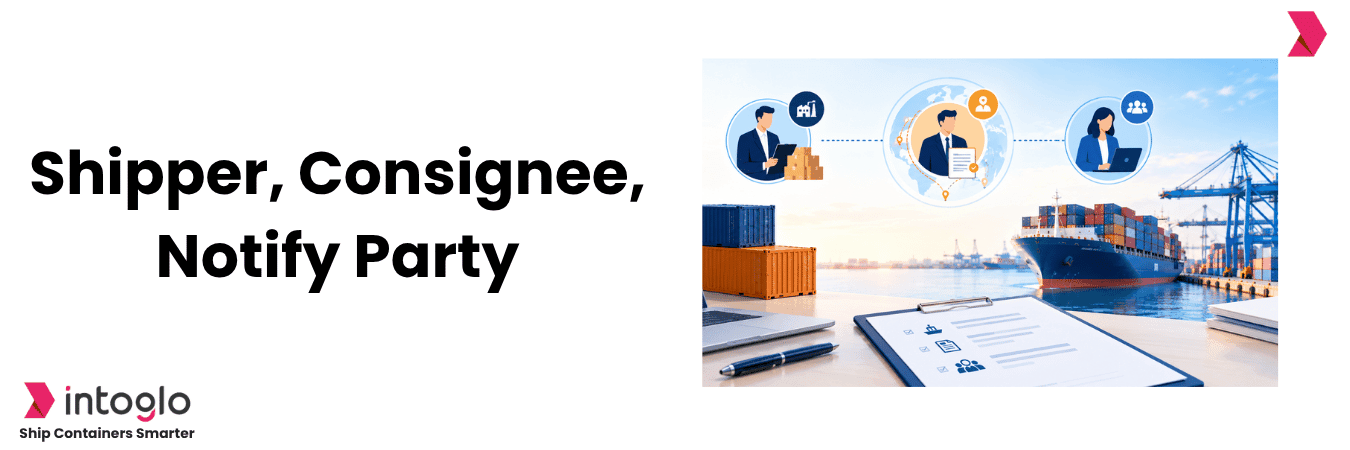
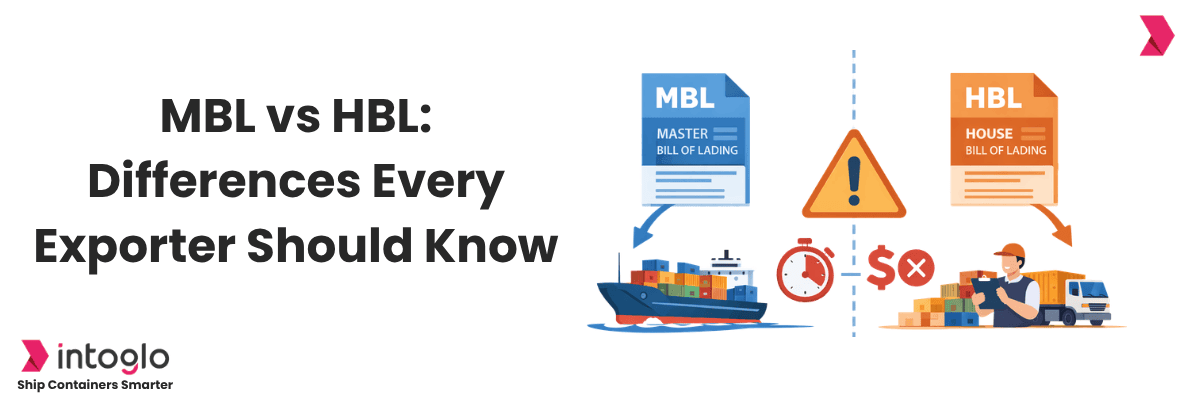
An MBL is issued by the shipping line to the freight forwarder, forming the contract between them. An HBL is issued by the forwarder to the exporter, forming the contract with the shipper.
In simple terms, the MBL works at the carrier level, while the HBL works at the exporter level; both are linked but serve different roles in the same shipment.
To know more about MBL & HBL, explore our detailed article on What Is Master Bill of Lading (MBL): A Complete Guide for Indian Exporters and House Bill of Lading (HBL): Everything Indian Exporters Need to Know.
What is the Difference Between MBL and HBL?
MBL and HBL differ in who controls the shipment, who holds the document, and how each is used across the shipping and documentation process.
| Aspect | MBL (Master Bill of Lading) | HBL (House Bill of Lading) |
| Issuer | Issued by the shipping line (carrier) after cargo is loaded onto the vessel. | Issued by the freight forwarder or NVOCC to the exporter. |
| Issued to | Given to the freight forwarder, not directly to the exporter. | Given directly to the exporter (shipper). |
| Contract parties | Represents the contract between the carrier and the freight forwarder. | Represents the contract between the freight forwarder and the exporter. |
| Control of shipment | The carrier controls the shipment at the vessel level. | The forwarder controls cargo handling and coordination for the exporter. |
| Visibility / Tracking | Exporters usually have limited visibility since they don’t hold the MBL. | Exporters can easily track shipments using the HBL provided by the forwarder. |
| Usage (LCL vs FCL) | Used in both LCL and FCL shipments, mainly as the primary document between the carrier and forwarder. | Commonly used in LCL shipments and when exporters work with freight forwarders. |
| Role in documentation | Acts as the main transport contract but is handled internally by the forwarder. | Acts as the key document for exporters for banking, buyer coordination, and cargo release. |
How Do MBL and HBL Work Together?

MBL and HBL operate at different levels but are linked to move the same shipment from origin to destination. Together, they ensure your cargo moves smoothly from origin to destination.
End-to-End Flow
- Exporter → Forwarder: You hand over the cargo to the freight forwarder, who issues the HBL to you.
- Forwarder → Carrier: The forwarder books space with the shipping line, which issues the MBL to the forwarder.
- Carrier → Destination: The shipping line transports the cargo to the destination port.
- Destination → Consignee: The consignee uses the HBL to claim the cargo from the forwarder or their agent.
Multiple HBLs can be linked to a single MBL in LCL shipments, as forwarders consolidate cargo from different exporters into one container
Mapping of HBL to MBL
Multiple HBLs can be linked to a single MBL in LCL shipments, as forwarders consolidate cargo from different exporters into one container
Why Exporters Don’t Usually See the MBL
Exporters deal with the HBL since their contract is with the freight forwarder, while the MBL remains with the forwarder as part of its agreement with the carrier.
When Should Exporters Use HBL vs MBL?
Exporters use an HBL when shipping LCL cargo, working with a freight forwarder or NVOCC, or when their shipment is consolidated with others. An MBL is used when booking directly with a shipping line, typically for full container load (FCL) shipments, and when the exporter wants direct control over the shipment and communication with the carrier.
How to Manage HBL & MBL Without Errors?
Avoid common mistakes and ensure smooth shipment flow with these best practices:
- Cross-check HBL with MBL: Ensure names, cargo details, ports, and dates match exactly
- Align with invoice & packing list: Keep all shipment documents consistent
- Confirm release type: Choose original or surrendered HBL clearly to avoid delays
- Work with reliable forwarders: Experienced partners reduce errors and improve coordination
Intoglo simplifies HBL and MBL management by ensuring both documents are fully aligned before shipment. The team verifies details against invoices and packing lists, checks for errors before issuance, and coordinates with carriers to prevent mismatches, ensuring smooth, hassle-free cargo release.
Connect with the Intoglo team to ensure smooth and hassle-free shipments:
📩 contact@intoglo.com | 📞 +91 84697 08714
Conclusion
Understanding HBL and MBL helps you avoid costly documentation errors, shipment delays, and payment issues. When both documents are aligned correctly, cargo moves smoothly and clears faster at the destination. For Indian exporters, this clarity improves control, reduces risk, and ensures reliable shipment execution.
FAQs
Can HBL and MBL have different consignees?
Yes, in many cases, the HBL shows the actual buyer (consignee), while the MBL shows the freight forwarder or their agent. This is normal in forwarder-managed shipments.
Which document is required for cargo release?
Cargo is usually released against the HBL at the destination when a freight forwarder is involved. The forwarder manages the MBL with the carrier.
Can I switch from HBL to MBL mid-shipment?
No, once the shipment is booked and documents are issued, switching is not practical. Changes at this stage can cause delays, extra costs, and documentation issues.
Is MBL visible to exporters?
Not always. Exporters typically deal with the HBL, while the MBL remains between the forwarder and the shipping line unless specifically requested.
What happens if HBL and MBL don’t match?
Mismatch in details like names, cargo, or ports can lead to customs delays, cargo holds, or amendment charges. Both documents must be fully aligned.
Who controls the cargo in HBL vs MBL shipments?
In HBL shipments, the freight forwarder controls cargo release. In MBL (direct carrier booking), the shipping line controls the release based on its terms.