
Quick Overview
INCOTERMS define the roles of buyers and sellers in international trade. This article explains who pays which costs (A9/B9), when risk transfers, compares terms like EXW vs DDP and FOB vs CIF, shows which terms may be more cost-effective, and helps in choosing the right INCOTERM to avoid disputes and manage shipments better.
International trade requires clear coordination between buyers, sellers, and logistics partners. INCOTERMS provide a common framework that defines responsibilities at each stage of a shipment, helping ensure consistent execution and smoother cross-border movements.
If you’re new to trade terms, read our detailed article on What are INCOTERMS? A Guide to Rules & Responsibilities to understand the basics before exploring how INCOTERMS affect shipping costs.
Cost Implications of INCOTERMS
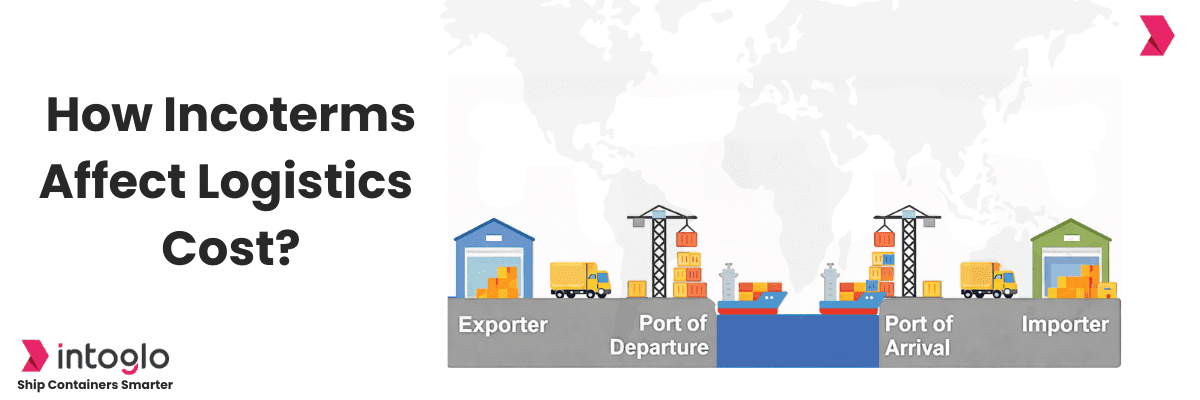
INCOTERMS 2020 include A9/B9 clauses, which clearly define how costs are allocated between the seller (A9) and the buyer (B9) at each stage of the shipment. These clauses outline responsibility for transport, insurance, customs clearance, and terminal charges.
The 2020 revision also clarified FCA rules, allowing sellers to obtain an on-board Bill of Lading when required by banks, helping reduce documentation issues and payment delays in international trade.
Which INCOTERM is Most Cost-Effective?
There is no single cheapest INCOTERM. The most cost-effective term depends on who controls freight, who manages customs, and who is willing to take risk.
For Buyers
1. EXW and FOB - Lower Cost if Buyer Controls Freight
- EXW (Ex Works): Buyer pays and manages everything from pickup onward.
- FOB (Free On Board): Buyer manages ocean freight and insurance after goods are loaded.
These are cost-effective when buyers have strong freight rates and logistics control.
2. CIF, DAP, DDP - Higher Cost but Less Effort
- CIF: Seller pays freight and insurance to destination port.
- DAP: Seller delivers to destination; buyer pays import duties.
- DDP: Seller pays freight, duties, and taxes.
These may cost more but reduce coordination and compliance work for the buyer.
For Sellers
1. EXW, FCA, FOB - Lower Risk and Lower Cost Exposure
- EXW: Responsibility ends at the seller's premises.
- FCA: Risk transfers when goods are handed to the carrier.
- FOB: Risk transfers once goods are loaded.
These reduce seller liability and working capital pressure.
2. CIF, DAP, DDP - More Control but Higher Responsibility
- CIF: Seller arranges freight and insurance.
- DAP: Seller manages delivery to destination.
- DDP: Seller handles full delivery including duties and taxes.
These increase seller responsibility but can improve competitiveness.
Comparing INCOTERMS: Risk vs Cost
Each INCOTERM defines a specific point of risk transfer and allocates cost responsibility between buyer and seller.
| Comparison | Risk Transfer | Cost Responsibility | Key Difference |
| EXW vs DDP | EXW: At seller’s premises. DDP: At buyer’s location (delivery). | EXW: Buyer bears all costs from pickup. DDP: Seller bears all costs including duties and taxes. | EXW = buyer responsibility. DDP = seller responsibility. |
| FOB vs CIF | Risk transfers once goods are loaded on the vessel. | FOB: Buyer pays freight and insurance. CIF: Seller pays freight and minimum insurance. | CIF includes freight + insurance. |
| CPT vs CIP | Risk transfers at handover to first carrier. | CPT: Seller pays freight. CIP: Seller pays freight + insurance. | CIP includes insurance. |
| DAP vs DDP | Risk transfers at destination (ready for unloading). | DAP: Seller pays transport only. DDP: Seller pays transport + duties and taxes. | DDP includes duties and taxes. |
How to Choose the Right INCOTERM
Choosing the right INCOTERM depends on how much control, risk, and cost you’re willing to manage.
- Control over shipment: Decide who selects carriers, routes, and delivery timelines.
- Risk tolerance: Assess when you’re comfortable taking on transit risk.
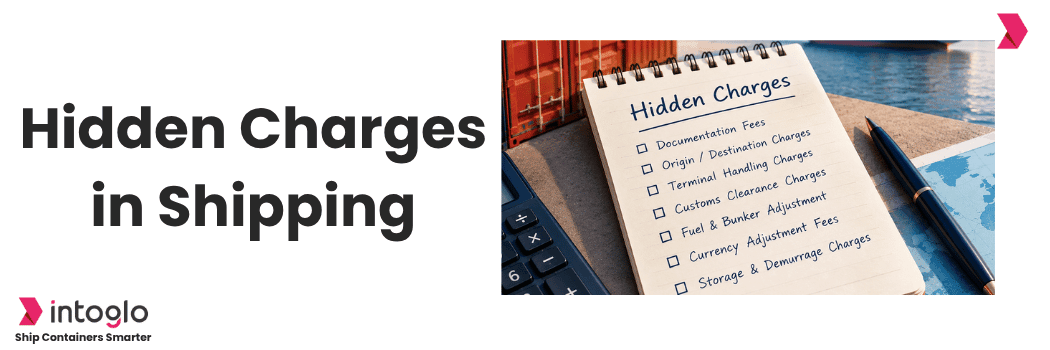
- Cost responsibilities: Understand which party pays freight, insurance, duties, and local charges.
- Customs & compliance: Confirm who handles export and import clearances.
- Mode of transport: Ensure the INCOTERM matches the shipment type-multimodal or sea-only.
A well-chosen INCOTERM reduces disputes, improves planning, and keeps shipments aligned with your trade requirements.
When deciding the best INCOTERM for shipments, always rely on partners like Intoglo, which provide instant FCL quotes, updated sailing schedules, and full logistics support for India–USA trade.
Need help with your shipment? Reach out to Intoglo:
📩 contact@intoglo.com | 📞 +91 84697 08714
Conclusion
Choosing the right INCOTERM is essential to avoid unexpected costs, delays, and risk exposure.
Intoglo simplifies India–USA FCL shipping with transparent pricing, scheduled sailings, and end-to-end coordination from pickup to final delivery.
FAQs
Can INCOTERMS be customized in a contract?
Yes, additional terms can be included in a contract; however, any modifications to standard INCOTERMS must be clearly defined to prevent misunderstandings or disputes between parties.
Do INCOTERMS apply to domestic shipments?
INCOTERMS are primarily designed for international trade. However, they may also be applied to domestic shipments if both the buyer and seller mutually agree to use them.
What happens if a shipment is delayed or damaged?
INCOTERMS clearly define the point at which risk transfers from seller to buyer. Understanding this transfer point is essential for determining responsibility, insurance planning, and liability coverage.
How often are INCOTERMS updated?
The International Chamber of Commerce (ICC) typically updates INCOTERMS every 10 years. The latest version currently in use is INCOTERMS 2020, and contracts should clearly specify the applicable version.
Do INCOTERMS affect insurance costs?
Yes, under rules such as CIP (Carriage and Insurance Paid To) or CIF (Cost, Insurance and Freight), the seller is responsible for arranging insurance. This directly impacts premium costs and coverage requirements.
Are INCOTERMS legally binding?
INCOTERMS themselves are not laws. However, once incorporated into a sales contract, they become contractually binding and enforceable between the parties.